
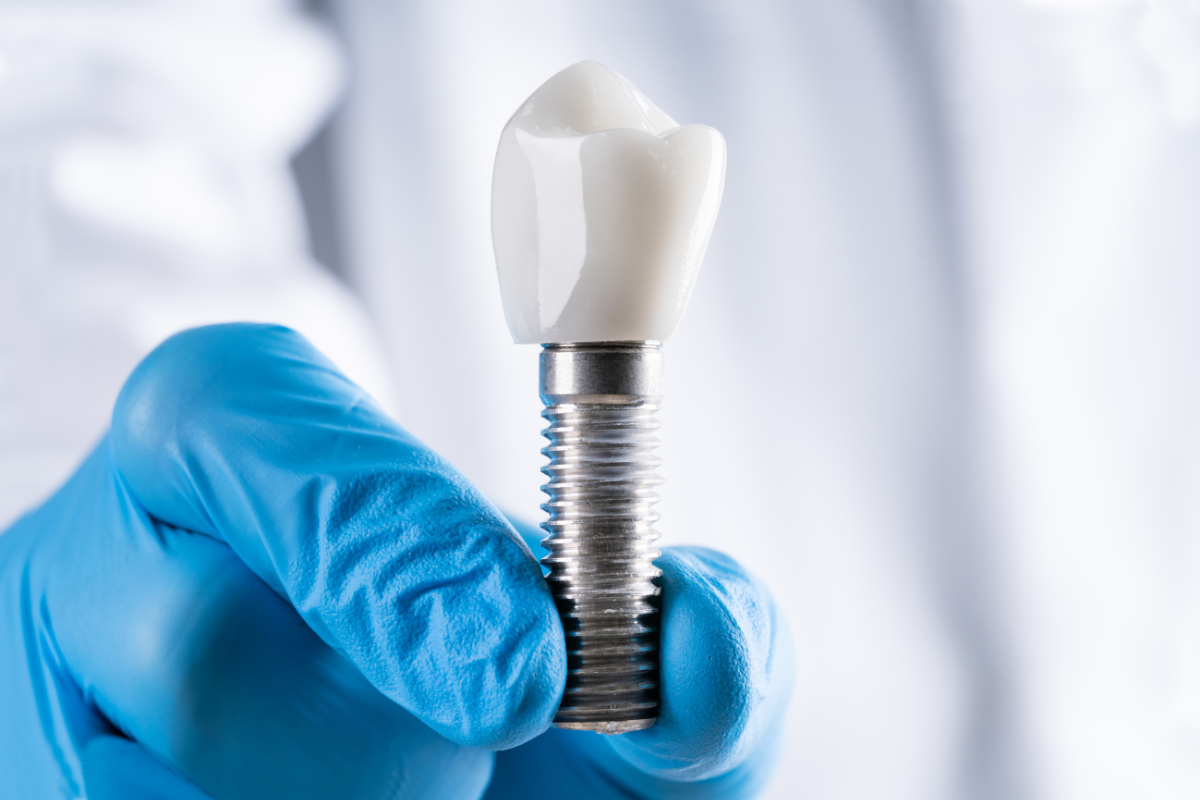
“Are implants safe?” – Yes, dental implants are safe when performed by qualified professionals and managed with proper care.
If you’re missing a tooth or multiple teeth, you’ve probably Googled something like “dental implants near me.” Dental implants are one of the most advanced and long-lasting solutions for restoring both function and aesthetics.
This article, based on clinical insight and patient care standards followed at One Eleven Dental in Bixby, OK, explores the safety of the dental implant procedure, potential risks, and how to ensure successful results. It will also answer your query on “How safe are dental implants?”
How Safe Are Dental Implants?
When placed by a skilled dentist in Bixby or a certified oral surgeon, dental implants are generally very safe. The dental implant success rate is high, typically ranging from 90% to 98%, and complications are rare when all safety protocols are followed. That said, successful outcomes depend heavily on both the provider’s expertise and the patient’s overall health.
So, yes, are implants safe? For most healthy individuals, absolutely. But the answer also depends on risk factors, oral hygiene, and post-surgical care.
What are the Risks of Dental Implants?
Even though dental implants are highly reliable, it’s crucial to understand the possible risks and complications, especially when undergoing a surgical procedure like dental implant surgery. Answering your question; “Are dental implants dangerous?”, below are the risks associated with dental implants:
1. Surgical Risks (Early Complications)
- Pain, swelling, and minor bleeding are common after the procedure. These are temporary and manageable.
- Nerve injury, though rare, can result in numbness, tingling, or a burning sensation in the lips, gums, or chin. This typically happens if the implant is placed too close to a nerve canal.
- Sinus perforation may occur during upper-jaw implant placement if proper diagnostic imaging isn’t used.
2. Implant-Related Risks (Late Complications)
- Implant failure occurs when the implant does not fuse (osseointegrate) with the bone. This can happen due to infection, poor healing, or mechanical overload.
- Peri-implantitis, an infection affecting the surrounding gum and bone, can compromise implant stability.
- Bad dental implants may also result from improper placement, inferior materials, or lack of aftercare.
- Prolonged healing or implant mobility may signal that the implant is not integrating properly.
If you’re worried about implant teeth side effects or if dental implants hurt, know that most discomfort is short-term and manageable. However, recognizing and addressing complications early is key.
Factors That Can Raise the Risk of Implant Failure
While dental implants Bixby services are safe for most, certain factors can increase the risk of complications or failure:
1. Smoking and Tobacco Use
Nicotine restricts blood flow and impairs healing, increasing the chances of infection and implant failure. Are implants safe for smokers? Only if they quit before and after surgery.
2. Poor Oral Hygiene
Neglecting oral hygiene can lead to plaque buildup around the implant tooth, resulting in inflammation, infection, and ultimately, failure.
3. Pre-existing Gum Disease
Active gum disease can weaken the supporting bone and tissues, making it risky to place teeth implants without first addressing the infection.
4. Medical Conditions
Uncontrolled diabetes, autoimmune disorders, or osteoporosis can negatively affect healing. In such cases, patients must work with both their physician and Bixby dentists to assess candidacy.
5. Inadequate Bone Density
If there’s not enough bone to anchor the dental implants, grafting procedures may be required first.
If you’re concerned and thinking, “Is tooth implant painful?” or wondering about dental implants painful recovery, rest assured that a proper evaluation minimizes surprises and enhances safety.
Minimizing Risks: How to Improve Your Outcome
To ensure your dental implants are successful and long-lasting:
- Choose an experienced dentist Bixby residents trust with implant surgery.
- Get a complete medical and dental evaluation before undergoing the dental implants procedure.
- Follow pre- and post-operative care instructions closely.
- Address underlying health issues before surgery.
- Commit to excellent oral hygiene and regular dental checkups.
- Avoid smoking, especially during the healing phase.
Discomfort and Recovery: What to Expect After Surgery
Many patients ask, “Do dental implants hurt?” or “Are dental implants painful?”
While the actual dental implant surgery is performed under anesthesia and is painless, some post-op discomfort is expected. Most patients experience mild soreness, swelling, or bruising for a few days. Pain is usually manageable with medications, and most patients return to normal activities within a few days.
Am I a Good Candidate for Dental Implants?
A good candidate for dental implants generally has:
- Healthy gums and no active infections.
- Sufficient bone density.
- No uncontrolled chronic conditions.
- A commitment to dental hygiene.
Patients who do not meet these criteria may be advised to pursue alternative treatments or undergo preparatory procedures.
Are Dental Implants the Right Choice?
So, are dental implants good? Absolutely – especially when placed by a skilled dentist in Bixby and supported by healthy habits and thorough medical evaluation. With a high dental implant success rate, natural look and feel, and long-term durability, dental implants remain one of the most trusted solutions for replacing missing teeth.
If you’re searching for dental implants near me, keep in mind that while implants teeth side effects are rare, they can occur, particularly in patients with underlying health risks. Understanding potential complications, taking preventive measures, and working with an experienced healthcare provider are essential for achieving a successful outcome. At One Eleven Dental in Bixby, OK, our team prioritizes patient safety and long-term results. To learn more or to schedule your consultation, connect with trusted Bixby dentists and take the first step toward safer, more reliable Bixby implants.
FAQs
Q. What are the Risks with Dental Implants?
A: Risks include infection, nerve damage, and injury to nearby teeth, gums, or blood vessels.
Q. What is the Safest Type of Dental Implant?
A: Zirconia implants are non-metal ceramic restorations that offer a safe, stable, and natural-looking dental solution.
Q. Can a Dental Implant Cause Problems Years Later?
A: Implant rejection can occur months or years later, caused by infection, poor healing, immune response, bone loss, or excess pressure.
Q. Can a Dental Implant get Infected Years Later?
A: Infection from bacteria can occur soon after or years post-implant, leading to bone loss and failure.
Q. Are Dental Implants Bad For Your Health?
A: Dental implants are safe and effective when done by a qualified dentist. Risks are rare but may include infection or implant failure, especially with poor oral hygiene or underlying health issues.
Q. Is Dental Implant Surgery Safe?
A: Dental implant surgery is safe when performed by an experienced dentist. It has a high success rate, and complications are rare with proper care and planning.