
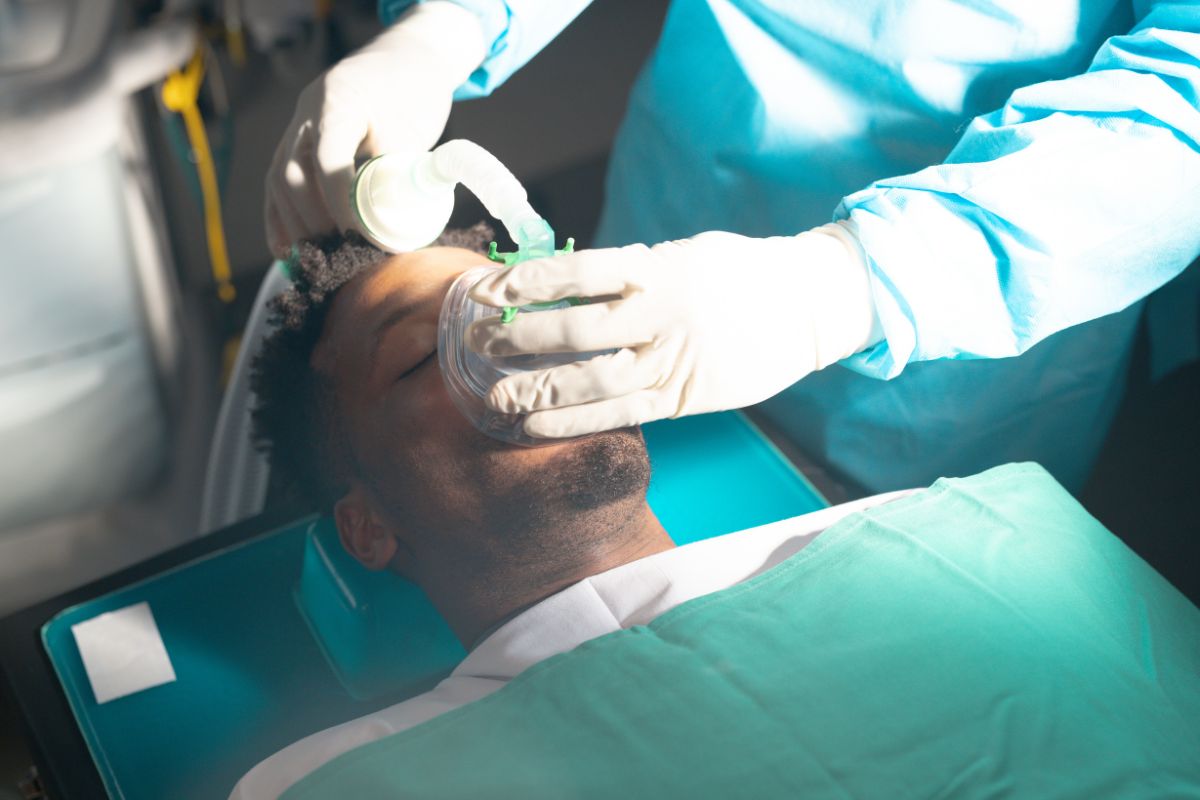
“How does sedation dentistry work?” – Sedation dentistry involves using medications to help patients relax during dental procedures, easing anxiety and discomfort while keeping them conscious and responsive in most cases.
This article explains dental sedation, explores types like oral and IV sedation, outlines the step-by-step process, and highlights benefits and precautions. As a dental professional at One Eleven Dental in Bixby, OK, with over 15 years of experience, we aim to clarify how sedation for dental work transforms visits into stress-free experiences for our community. Whether you’re curious about oral sedation for dentistry or dental IV sedation, this guide provides clear, practical insights for Bixby residents seeking sedated dental work.
Understanding Sedation Dentistry
Sedation dentistry uses medication to calm patients during dental treatments, distinct from general anesthesia, which causes complete unconsciousness. Often mislabeled as “sleep dentistry,” dental sedation focuses on relaxation, allowing you to stay awake but at ease. It ranges from minimal (feeling relaxed) to moderate (drowsy but responsive) to deep (near sleep but arousable).
For example, oral sedation for dental work involves taking a pill to reduce anxiety, ideal for routine visits. Intravenous sedation in dentistry, on the other hand, suits complex procedures. Sedation in dentistry is tailored to your needs, making dental care accessible for those with phobias or special requirements in Bixby, OK. Sedation dentistry ensures comfort, making it easier to maintain oral health without fear.
Types of Sedation and Their Mechanisms
Sedation dentistry employs different methods, each suited to specific needs and procedures. Below are the main types: nitrous oxide, oral sedation, and IV sedation, with clear steps on how they work.
Nitrous Oxide (Laughing Gas)
This minimal sedation option is perfect for mild anxiety during sedated dental work. It’s safe, quick, and wears off fast.
- Preparation: Your dentist reviews your health to ensure nitrous oxide is suitable.
- Administration: You breathe a mix of nitrous oxide and oxygen through a mask; effects start within minutes, creating a calm, slightly euphoric feeling.
- Procedure: You stay awake and communicative while the dentist works.
- Monitoring: Vital signs like heart rate are tracked for safety.
- Recovery: Effects fade quickly after removing the mask, allowing you to resume normal activities, including driving.
Nitrous oxide is a cornerstone of sedation in dentistry, especially for children or short procedures in Bixby.
Oral Sedation
Oral sedation dentistry uses a prescribed pill, typically a benzodiazepine, for minimal to moderate relaxation, ideal for anxious adults seeking oral sedation for dentist visits.
- Preparation: After discussing allergies with your oral sedation dentist, you take the pill about an hour before your appointment.
- Administration: The pill, absorbed through the digestive system, induces drowsiness without knocking you out.
- Procedure: You remain conscious but relaxed, with local anesthesia managing pain.
- Monitoring: Blood pressure and oxygen levels are closely watched.
- Recovery: Effects linger for hours, so arrange a ride home as coordination may be affected.
Oral sedation for dentistry is popular for its simplicity and effectiveness in easing dental fears.
IV Sedation
IV sedation, or intravenous sedation in dentistry, delivers medication through a vein for moderate to deep relaxation, managed by a trained IV sedation dentist.
- Preparation: A health evaluation confirms you’re a candidate for dental IV sedation.
- Administration: Sedatives are infused via an IV line, taking effect in seconds with adjustable depth.
- Procedure: You’re drowsy or sleep-like but can respond to prompts, ideal for lengthy sedated dental work.
- Monitoring: Breathing, heart rate, and oxygen levels are tracked with advanced tools.
- Recovery: You’re monitored until stable; full alertness returns in hours, requiring a companion post-visit.
IV sedation for dentists is highly effective for complex cases, ensuring comfort and efficiency.
Step-by-Step Process of Sedation Dentistry
The sedation dentistry process is designed for safety and comfort, whether using oral sedation or IV sedation. Here’s how it unfolds:
- Consultation: Your dentist discusses your anxiety, medical history, and procedure to choose the best dental sedation, like oral sedation for dental work or IV sedation.
- Preparation: Follow pre-appointment instructions, such as fasting for IV sedation or taking an oral sedation pill. Arrange a ride home if needed.
- Administration: Medication is given – inhaled for nitrous oxide, swallowed for oral sedation, or injected for intravenous sedation in dentistry.
- Procedure: Relaxed, you undergo the dental work while being monitored for safety.
- Recovery: You’re observed in a recovery area until the effects wear off, which varies by method (quick for nitrous, longer for oral or IV sedation).
This structured approach ensures trust and comfort during sedation for dental work.
Benefits and Precautions
Sedation dentistry offers significant advantages, especially for Bixby patients:
- Reduced Anxiety: Eases dental fears, encouraging regular oral or IV sedation care.
- Efficient Treatment: Enables complex sedated dental work in fewer visits.
- Enhanced Comfort: Pairs with anesthesia for pain-free experiences.
- Accessibility: Supports patients with special needs or phobias, improving outcomes.
Precautions are important to maintain safety:
- Post-Procedure Care: Avoid driving after oral sedation dentistry or dental IV sedation due to lingering effects.
- Health Screening: Discuss medical conditions with your IV sedation dentist to avoid complications.
- Monitoring: Dentists use tools to track vitals, minimizing risks like breathing issues.
When managed by a trained oral sedation dentist, the benefits far outweigh the risks, ensuring safe sedation in dentistry.
Conclusion
Sedation dentistry uses oral and IV sedation methods to make dental care relaxing and approachable. From consultation to recovery, the process prioritizes your comfort and safety. For Bixby, OK, residents, sedation for dental work can transform dental visits. Visit One Eleven Dental to explore options like oral sedation for dental work or dental IV sedation. Schedule your appointment today – call us or check our website to start your stress-free dental journey.
FAQs
Q. Are You Completely Asleep During Sedation Dentistry?
A: Sedation dentistry, also known as conscious sedation or twilight sleep, keeps you awake and responsive but pain-free during dental procedures. Your dentist may suggest it if you experience fear of dental treatment.
Q. What Happens When a Dentist Sedates You?
A: Dental sedation uses medication to ease anxiety and block pain during treatment, ideal for those with a dental phobia. Unlike general anesthesia, it keeps you conscious and able to communicate with your dentist.
Q. What to Expect During Sedation Dentistry?
A: IV sedation involves a dentist injecting medication into your vein for rapid relaxation. You stay semi-conscious during the procedure, with your dentist closely monitoring and adjusting sedation levels.
Q. Will I Feel Anything With Oral Sedation?
A: Oral sedation makes you feel drowsy yet calm, keeping you awake and able to communicate. You may doze off but can easily wake up. Most patients recall little of the procedure afterward.