
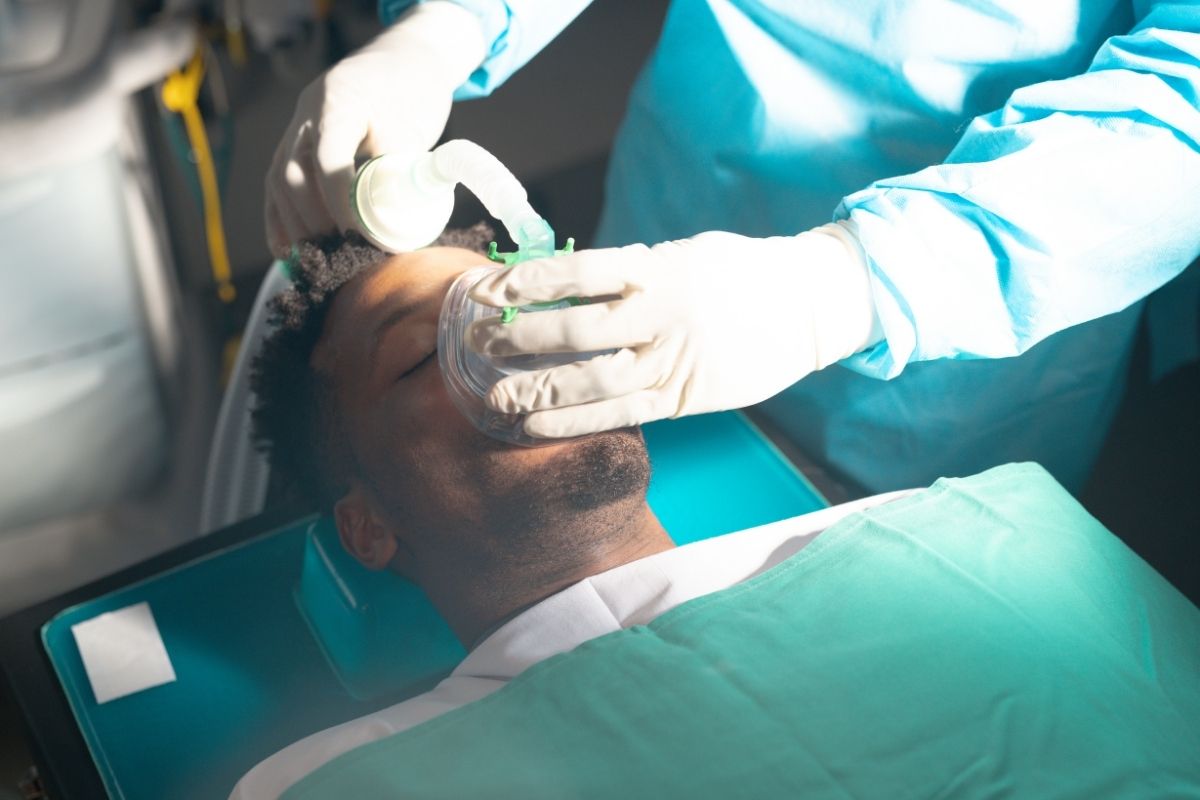
What is oral sedation in dentistry? It’s a safe, pill-based method that helps patients stay calm during dental treatment. Unlike IV sedation or general anesthesia, dental oral sedation allows you to remain awake but deeply relaxed. According to the American Dental Association (ADA), sedation in dentistry is an effective option for patients with mild to moderate anxiety.
In Bixby, OK, practices such as One Eleven Dental make this care available and accessible. This article explains the types of oral sedation, how it works, who it benefits, and what you should know before visiting a sedation dentist in Bixby.
What Is Oral Sedation?
Oral sedation for dentistry involves taking an anti-anxiety pill—often in the benzodiazepine family—about 30 to 60 minutes before your appointment. The medication relaxes the central nervous system, creating a calm, drowsy state. Patients may remain fully awake (minimal sedation) or drift into light sleep (moderate sedation). Unlike IV sedation, oral sedation for dentist visits does not require needles or hospital settings, making it especially convenient.
According to ADA guidelines, oral sedation in dentistry is considered safe when prescribed and monitored by trained professionals. It is designed to help patients who might otherwise avoid care due to fear. Compared to nitrous oxide or general anesthesia, oral dental sedation balances comfort and safety. Many patients describe it as “dreamy” and report little memory of the procedure. For those wondering, “Do you feel pain with oral sedation?” The answer is typically no—local anesthesia still blocks pain while the pill reduces stress.
How Does Oral Sedation Work in a Dental Procedure?
The process begins with a consultation where your dentist reviews your health history. If you qualify, a prescription is provided for dental oral sedation medication. On the day of treatment, you’ll take the pill about an hour before your procedure. Once it takes effect, your dentist will monitor your breathing, heart rate, and comfort throughout.
During oral sedation dentistry, you can expect a sense of calm, slower time perception, and reduced memory of the appointment. The effects usually last 4–6 hours. After treatment, you’ll need someone to drive you home.
Local practices follow strict ADA protocols—your sedation dentist in Bixby ensures continuous monitoring with certified equipment. Patients often find that oral dental sedation helps them complete multiple procedures in one visit. For clarity, an infographic can help illustrate the steps:
Consultation → Pill Intake → Relaxation → Treatment → Recovery.
Benefits and Who It’s For
The benefits of oral sedation in dentistry include reduced anxiety, better tolerance for long appointments, and improved control of the gag reflex. Once patients who dread cleanings or restorative care have tried this method, they often feel confident enough to return regularly.
Ideal candidates for dental sedation include individuals with dental phobias, those needing multiple procedures, or patients with sensitive teeth or special needs. Clinical studies show patients who use oral sedation for dentistry report higher satisfaction rates and fewer canceled appointments. For anxious patients, this approach transforms the dental chair into a more approachable experience.
Safety, Side Effects, and Precautions
Types of oral sedation carry minimal risk when supervised by a certified provider. Dentists monitor your vitals and adjust care as needed. The most common side effects include drowsiness, dry mouth, or mild grogginess that fades within hours.
Patients often ask, “Do you feel pain with oral sedation?” While the sedation reduces anxiety, local anesthetics still manage pain, so discomfort is rare. However, not everyone qualifies. Pregnant patients or those with certain medical conditions may not be suitable candidates. The ADA and FDA both recognize approved medications used in oral dental sedation, ensuring treatment remains safe, effective, and regulated.
Conclusion
Oral sedation for dentist visits offers a safe, proven way to make dental care more comfortable. If you’re curious about oral sedation dentistry, what to expect, the team at One Eleven Dental can guide you through every step. Contact our office today to schedule a consultation with a trusted sedation dentist in Bixby.
FAQs
Q. What Can I Expect During Oral Sedation?
A: Oral sedation keeps you relaxed and drowsy yet awake. You can communicate easily, and most patients remember little of the procedure.
Q. What Kind of Oral Sedation do Dentists Use?
A: Oral sedation involves taking a pill like Valium, Halcion, or Xanax about an hour before treatment. It ranges from mild to moderate, leaving you relaxed, drowsy, yet still conscious.
Q. How Long Does Dental Oral Sedation Last?
A: The drug makes you calm, drowsy, conscious, and responsive. Its effects can last 2–8 hours.