
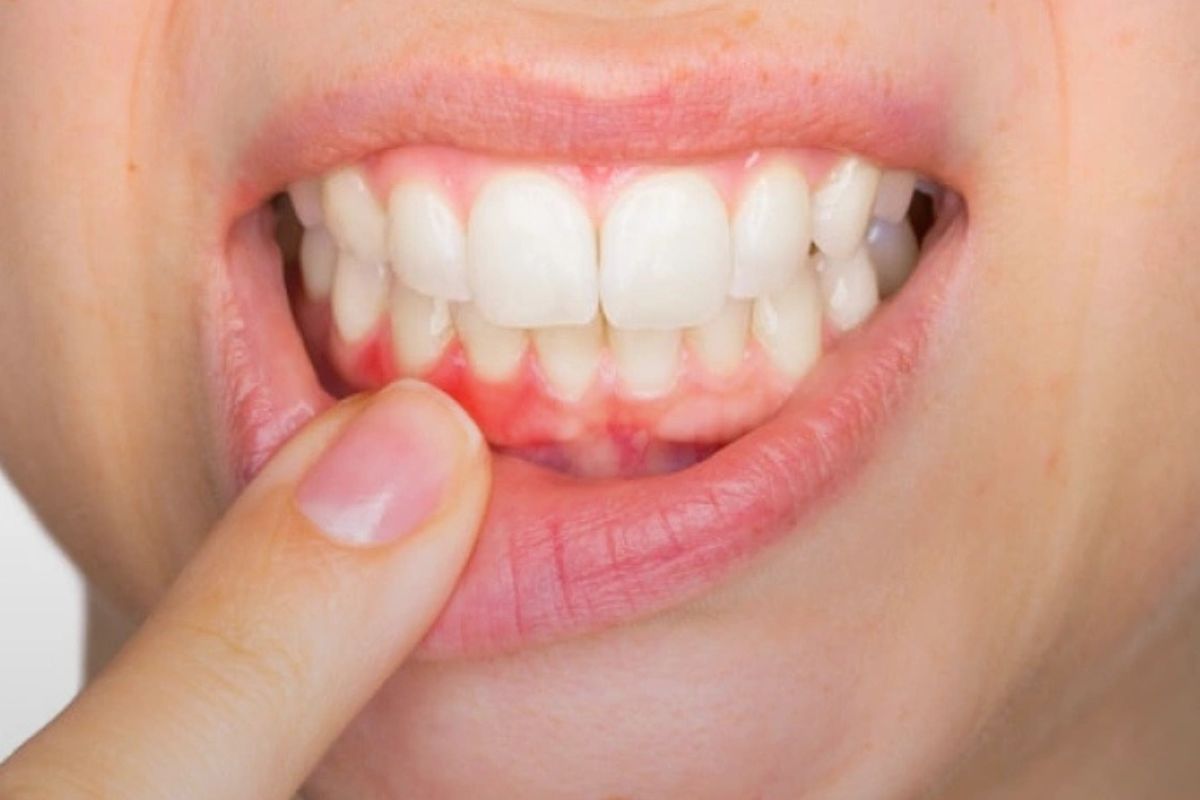
Ongoing tooth pain, facial swelling, or lingering sensitivity are signs dentists never dismiss. When patients arrive at One Eleven Dental with these symptoms, the dental team follows a systematic diagnostic process to identify whether a tooth infection is present and determine its severity.
Learning how dentists check for tooth infection helps patients recognize warning signs early and feel more prepared for a dental exam. Early diagnosis is essential, as prompt dental infection treatment can prevent the condition from worsening or spreading.
A tooth infection—commonly referred to as a dental abscess—develops when harmful bacteria invade the tooth pulp or surrounding tissues. Without professional care, these infections can extend beyond the mouth and affect overall health.
What Is a Tooth Infection?
From a clinical standpoint, a tooth infection occurs when bacteria breach the enamel and dentin layers and reach the pulp chamber. This invasion often leads to inflammation and pus buildup, resulting in an abscessed tooth.
Dentists most often trace dental infections back to:
-
Cavities that were left untreated
-
Cracked, chipped, or fractured teeth
-
Failed fillings or crowns
-
Advanced gum disease
When dental abscess treatment is ignored, the infection can spread to the jawbone or bloodstream, making early intervention critical.
Early Signs and Symptoms Dentists Watch For
During an initial consultation, dentists rely heavily on the symptoms patients describe, as these clues help guide further testing.
Common tooth infection symptoms include:
-
Persistent or throbbing tooth pain
-
Sensitivity to hot or cold temperatures
-
Swollen, red, or tender gums
-
A foul taste or odor in the mouth, often associated with an abscess in the mouth
Some symptoms signal a more serious condition and require immediate dental care:
-
Fever
-
Swelling that spreads to the jaw, cheek, or neck
-
Difficulty swallowing or opening the mouth
These advanced abscess symptoms in tooth cases indicate an urgent infection that should not be delayed.
Clinical Dental Examination
The diagnostic process begins with a detailed clinical dental exam. During this exam, the dentist evaluates both the tooth and the surrounding structures.
This assessment typically includes:
-
A visual inspection of teeth and gums
-
Checking for redness, swelling, or visible pus
-
Testing tooth stability and mobility
-
Gently palpating facial tissues
-
Examining lymph nodes for signs of infection
These findings help the dentist determine whether the problem is localized or caused by a deeper tooth abscess. To know your oral health status, schedule an appointment with a dentist.
Dental X-Rays and Imaging
Because many dental infections are hidden beneath the surface, imaging plays a key role in diagnosis.
Dentists may recommend:
-
Periapical X-rays to closely examine tooth roots
-
Panoramic X-rays to evaluate infection spread across the jaw
-
3D CBCT scans for complex or severe abscess cases
These images reveal bone loss, dark areas near the root tip, and hidden dental abscess pockets that are not visible during a physical exam.
Functional Diagnostic Tests Dentists Use
To determine whether the tooth’s nerve is still healthy, dentists perform functional diagnostic tests.
These may include:
-
Percussion testing, where the tooth is gently tapped to check for inflammation
-
Cold or heat testing to evaluate pulp responsiveness
-
Electric pulp testing to assess nerve vitality
Abnormal responses often confirm irreversible pulp damage or a tooth abscess.
Advanced Diagnostic Technology in Modern Dental Clinics
Modern dental clinics use advanced tools to improve diagnostic precision and catch infections early.
Dentists may rely on:
-
Intraoral cameras that provide magnified views
-
Digital imaging systems
-
Dental loupes or microscopes
These technologies help identify early-stage dental infection symptoms before pain becomes severe.
Additional Periodontal Assessments
Dentists also evaluate gum health using periodontal charting to determine whether infection involves the surrounding tissues.
This assessment helps identify:
-
Deep gum pockets
-
Bleeding or inflammation
-
Infection around the tooth root
These findings clarify whether the infection is tooth-based, gum-related, or a combination of both.
How Dentists Determine the Right Treatment
Once a tooth infection is confirmed, the dentist creates a treatment plan tailored to the severity of the infection and the condition of the tooth.
Common tooth abscess treatment options include:
-
Antibiotics to control bacterial spread (as supportive care)
-
Root canal treatment to remove infection while preserving the tooth
-
Tooth extraction when the tooth cannot be safely restored
In advanced cases, patients may be referred to an endodontist for specialized dental infection treatment.
How Patients Can Prepare for Their Dental Visit
Patients can help speed up diagnosis by sharing clear and accurate information, such as:
-
When the pain started and how it has progressed
-
What triggers or relieves discomfort
-
Current medications
-
Any recent dental procedures or oral injuries
This information allows dentists to diagnose and treat the infection more efficiently.
Common Myths Dentists Hear About Tooth Infections
“Every toothache means infection.”
Not all tooth pain is caused by infection—only a dental exam can confirm the cause.
“Home remedies can cure a dental abscess.”
While home remedies may temporarily reduce pain, they cannot eliminate the infection.
Prevention Tips Dentists Recommend
Preventive care remains the best defense against tooth infections.
Dentists advise:
-
Brushing twice daily with fluoride toothpaste
-
Flossing every day
-
Attending routine dental checkups and X-rays
-
Treating cavities and gum disease early
Consistent prevention greatly reduces the risk of tooth infection symptoms and emergency dental visits.
Key Takeaway
So, how do dentists check for a tooth infection? By following a structured diagnostic process that includes clinical exams, dental imaging, functional testing, and modern diagnostic tools.
At One Eleven Dental, early detection and accurate diagnosis are key to protecting both oral and overall health. If you notice persistent tooth pain, swelling, or abscess symptoms, scheduling a dental exam as soon as possible can help prevent serious complications.