
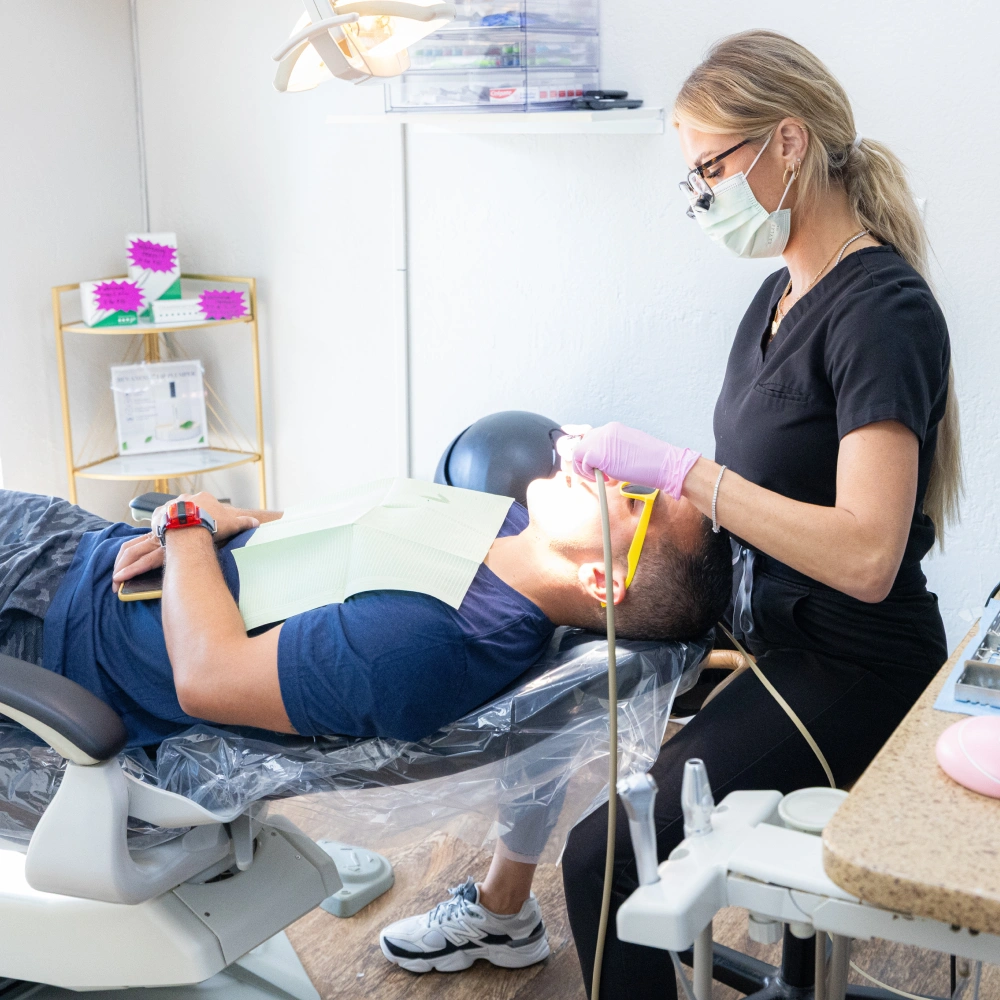
Managing oral health becomes more important when living with chronic medical conditions such as diabetes or heart disease. These health concerns can affect the gums, teeth, healing process, and even the safety of certain procedures. That is why many patients in Oklahoma look for a trusted dentist who understands how to provide care that supports both oral and overall wellness.
In Bixby, personalized care is becoming a key part of modern dentistry. Instead of offering the same approach to every patient, dental professionals now create customized plans based on medical history, medications, lifestyle, and long-term health goals. Patients with diabetes or cardiovascular conditions especially benefit from this individualized approach because their oral health needs are often more complex.
This article explains how Bixby dental professionals tailor care for patients with these medical conditions, why it matters, and what patients can expect during their visits.
Why Medical Conditions Matter in Dentistry
Oral health and overall health are closely connected. Conditions that affect the body can also impact the gums, teeth, jawbone, and healing ability. Likewise, oral infections can sometimes worsen systemic health problems.
For example:
- Diabetes can increase the risk of gum disease and slow healing after procedures.
- Heart disease may require special precautions before certain procedures.
- Blood pressure medications can cause dry mouth.
- Blood thinners may increase bleeding during treatment.
Because of these concerns, a skilled dentist takes time to review a patient’s health history before recommending any procedures or preventive care strategies.
Understanding the Link Between Diabetes and Oral Health
Diabetes affects how the body processes blood sugar. When blood sugar levels remain uncontrolled, patients may experience several oral health complications.
Common Dental Issues Linked to Diabetes
Patients with diabetes may be more likely to experience:
- Gum inflammation
- Periodontal disease
- Dry mouth
- Tooth decay
- Slow healing after oral surgery
- Oral infections
Gum disease is one of the most common complications. High blood sugar levels can weaken the body’s ability to fight bacteria, allowing plaque and infection to build up around the gums.
At the same time, severe gum disease can make blood sugar harder to control. This creates a cycle that can negatively impact both oral and overall health.
How Bixby Dental Professionals Personalize Care for Diabetic Patients
Modern dentistry focuses heavily on preventive care and careful monitoring for patients with diabetes. A customized care plan may include several important adjustments.
Comprehensive Medical Review
Before beginning any dental treatment, the office reviews:
- Current medications
- Blood sugar control levels
- Recent A1C readings
- Existing complications
- Dietary habits
- Smoking history
This information helps determine the safest and most effective approach to care.
Scheduling Appointments Strategically
Many diabetic patients are scheduled for morning appointments when blood sugar levels are generally more stable. Patients may also be advised to eat normally and take medications before arriving unless instructed otherwise by their physician.
Extra Gum Disease Monitoring
Routine periodontal evaluations become especially important. Dental professionals may recommend:
- More frequent cleanings
- Deep cleaning procedures
- Antibacterial rinses
- Improved at-home hygiene routines
Early detection helps prevent severe complications that could affect blood sugar control.
Slower, More Careful Healing Management
Healing after procedures can take longer for diabetic patients. To reduce complications, the office may:
- Monitor healing closely
- Provide detailed aftercare instructions
- Recommend antimicrobial medications when needed
- Schedule follow-up visits sooner
This proactive approach reduces infection risk and supports recovery.
Heart Conditions and Dental Care
Heart disease includes a variety of conditions that affect circulation and cardiovascular function. These conditions may include:
- High blood pressure
- Coronary artery disease
- Arrhythmias
- Heart valve disorders
- Congestive heart failure
Dental care for these patients requires careful planning because oral procedures can sometimes place stress on the cardiovascular system.
Why Heart Health Affects Oral Care
Certain dental infections may increase inflammation throughout the body, which can affect cardiovascular health. Additionally, some heart medications may impact oral tissues and saliva production.
Patients with heart conditions may also face concerns such as:
- Increased bleeding risk from blood thinners
- Sensitivity to stress during procedures
- Blood pressure fluctuations
- Medication interactions
Because of these factors, personalized care is essential.
How Bixby Dentists Adjust Treatment Plans for Heart Patients
A qualified dentist near me search often leads patients to offices that understand medically informed care. For patients with cardiovascular concerns, treatment customization typically includes several important precautions.
Detailed Health History and Physician Collaboration
Dental teams may communicate directly with a patient’s physician or cardiologist before certain procedures. This coordination ensures treatment remains safe and appropriate.
The office may review:
- Blood pressure readings
- Heart medications
- Surgical history
- Pacemaker information
- Bleeding risk factors
This collaboration supports patient safety during every stage of care.
Stress Reduction Techniques
Anxiety can increase blood pressure and heart rate. To help patients feel comfortable, many dental offices use:
- Calm treatment environments
- Gentle communication
- Sedation options when appropriate
- Shorter appointments
- Breaks during procedures
Reducing stress improves both safety and comfort.
Monitoring Vital Signs
Blood pressure and pulse readings may be checked before and during procedures. If readings are elevated, treatment may be postponed until the patient’s condition stabilizes.
Modifying Procedures When Necessary
Some medications or conditions require adjustments to treatment methods. For example:
- Blood thinner use may affect surgical planning
- Certain anesthetics may be limited
- Antibiotics may be recommended before treatment in specific cases
These modifications help reduce risks while still providing effective care.
Preventive Dentistry Becomes More Important
For patients with chronic health conditions, prevention is often the best strategy. Preventive care reduces the need for invasive procedures and helps protect overall health.
Customized preventive plans may include:
- Routine cleanings
- Fluoride applications
- Periodontal maintenance
- Oral cancer screenings
- At-home care coaching
- Nutritional guidance
Regular visits help identify problems before they become serious.
The Role of Communication in Personalized Care
Open communication plays a major role in safe and successful dentistry. Patients should always inform the office about:
- New medications
- Changes in diagnosis
- Recent surgeries
- Symptoms such as dizziness or chest pain
- Blood sugar fluctuations
The more information the dental team has, the better they can personalize care.
Patients should also feel comfortable asking questions about procedures, recovery, and oral hygiene recommendations.
Technology Helps Improve Safety and Comfort
Modern dental technology has made personalized care easier and more precise than ever before. Many Bixby offices now use advanced tools that improve diagnosis and treatment planning.
Examples include:
- Digital X-rays with lower radiation exposure
- Intraoral cameras
- Laser dentistry
- Digital impressions
- Advanced sterilization systems
These technologies help make procedures safer, faster, and more comfortable for medically complex patients.
Lifestyle Counseling Supports Long-Term Health
Dental visits often include education about lifestyle habits that affect oral health and chronic disease management.
Patients may receive guidance about:
- Smoking cessation
- Blood sugar management
- Heart-healthy nutrition
- Proper brushing and flossing
- Hydration for dry mouth relief
This educational support helps patients maintain healthier smiles and healthier lives.
Signs Patients Should Never Ignore
Patients with diabetes or heart disease should contact a dental office promptly if they notice:
- Bleeding gums
- Persistent bad breath
- Loose teeth
- Oral pain
- Swelling
- Sores that do not heal
- Difficulty chewing
Ignoring these symptoms can lead to more serious complications over time.
Finding the Right Dental Office in Bixby
Choosing the right provider matters when managing complex health conditions. Patients should look for a practice that values individualized care, communication, and long-term wellness.
A trusted dentist will:
- Review your complete medical history
- Coordinate with physicians when needed
- Focus on preventive strategies
- Prioritize patient comfort
- Offer customized recommendations
Patients searching online for a compassionate dentist near me often benefit from reading reviews, asking questions, and selecting an office with experience treating medically complex cases.
Why Personalized Dental Care Improves Overall Wellness
Personalized dentistry does more than protect teeth. It helps reduce infection risk, supports chronic disease management, and improves quality of life.
For diabetic patients, healthier gums may support better blood sugar control. For heart patients, reducing oral inflammation may contribute to improved cardiovascular health.
Customized care also creates a more comfortable experience because treatment plans are designed around each patient’s unique needs.
This patient-centered approach is becoming the standard in modern oral healthcare.
The Importance of Routine Visits
Skipping appointments can allow small problems to become serious complications. Patients with diabetes or heart conditions benefit greatly from regular evaluations because dental professionals can detect changes early.
Routine care supports:
- Better gum health
- Earlier diagnosis
- Lower infection risk
- Improved comfort
- Long-term tooth preservation
Consistent preventive care often reduces the need for more extensive dental treatment later.
Key Takeaway
Patients living with diabetes or heart conditions deserve dental care that considers their complete health picture. Customized treatment planning helps improve safety, comfort, and long-term oral health outcomes. From monitoring medications to adjusting procedures and focusing on prevention, Bixby dental professionals are taking a personalized approach that benefits both oral and overall wellness.
If you are looking for compassionate, patient-focused care, One Eleven Dental is committed to creating individualized solutions for every smile. Whether you need preventive services or advanced care, their experienced team understands how to tailor treatment for patients with complex medical needs. Call One Eleven Dental at 918-995-6401 to schedule your appointment and take the next step toward a healthier smile.