
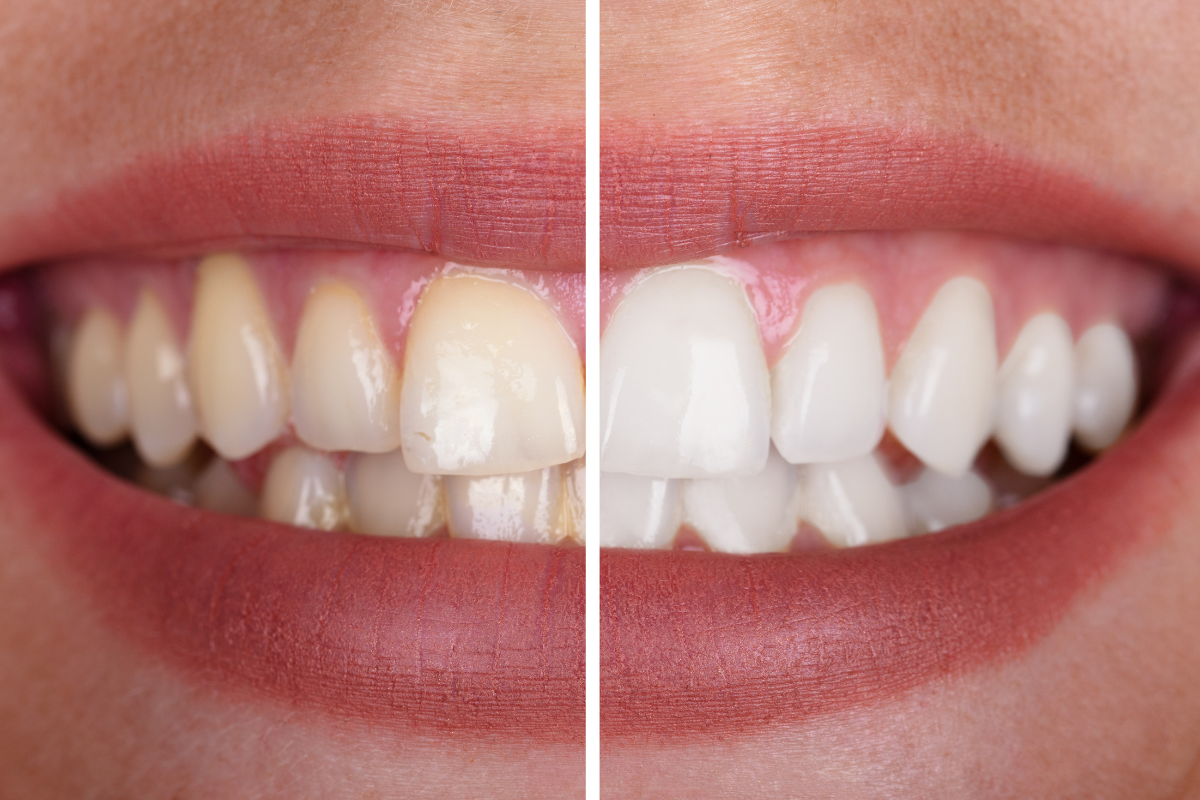
Are Teeth Whitening Strips Safe? – Yes, teeth whitening strips are generally considered safe when used correctly and on healthy teeth.
As a dentist, after cosmetic dental procedures, we get to hear questions like, “Are whitening strips safe?”
Thus, this blog from One Eleven Dental in Bixby aims to answer the question that most people seek: “Are teeth whitening strips bad for your teeth?”
Individuals are increasingly considering teeth whitening solutions because a brighter smile can improve appearance, boost confidence, and make everyday interactions feel more positive. We will answer your question so you can decide whether at-home whitening is right for you and when professional care may be a better option.
Understanding What Teeth Whitening Strips Are and How They Work
Whitening strips are thin, flexible adhesive strips coated with a bleaching gel. They’re designed to stick directly onto the front surface of your teeth, making them one of the most popular at-home options for whitening teeth.
How they work:
-
The gel contains hydrogen peroxide or carbamide peroxide
-
These ingredients penetrate the enamel and break down stain molecules
-
Over time, this process helps whiten teeth by lifting surface and some deeper stains
Products like whitening dental strips and teeth bleaching strips vary in strength and wear time, which directly affects both results and sensitivity.
Are Whitening Strips Safe?
Let’s take a practical, proven approach so we can get the best possible answer on whether teeth whitening strips are safe. Research and clinical experience indicate that whitening strips are safe for most adults when directions are carefully followed.
Key Safety Findings:
-
Generally safe when used as directed on healthy teeth
-
Temporary side effects may include mild sensitivity or gum irritation
-
Risks increase with overuse, improper placement, or very high peroxide levels
-
Dental supervision lowers the risk for people with existing oral health issues
So, while the answer to the question ‘are whitening strips safe’ is usually yes, safety depends on how and how often they’re used.
When and Why You Should Avoid Teeth Whitening Strips?
Some people should use extra caution—or avoid strips altogether—when considering teeth whitening treatment at home:
-
Gum disease or gum recession (higher irritation risk)
-
Crowns, veneers, or fillings (these do not change color and may lead to uneven results)
-
Sensitive enamel or untreated cavities
-
Pregnant or breastfeeding individuals (use only with professional guidance)
-
Children and teens (generally not recommended)
In these cases, a dentist-guided dental whitening treatment is usually safer and more predictable.
Common Misconceptions About Whitening Strips
- Strips won’t change the color of restorations—planning matters
- Overusing strips can weaken enamel over time
- Not all products are ADA-reviewed—approval and quality vary
- Some online whitening kits for teeth contain unsafe or unregulated ingredients
If you’re considering a dental whitening kit, always check the source and ingredients, or better yet, consult a dentist for the safest recommendations on dental whitening strips.
How to Use Teeth Whitening Strips Safely
To reduce risk and maximize results when whitening teeth at home:
-
Follow the manufacturer’s instructions exactly
-
Avoid overlapping strips on the gums
-
Use desensitizing toothpaste if sensitivity develops
-
Stop immediately and consult a dentist if pain or irritation persists
Responsible use makes a big difference in the long-term safety of dental whitening.
Results You Can Expect
With consistent use:
-
Most people see noticeable changes within several days
-
Full results typically appear in 1–2 weeks
-
Results are more subtle than professional teeth bleaching
Strips can help achieve whiter teeth, but they’re not a replacement for in-office care.
Alternatives & When To See a Professional
If strips aren’t ideal, consider these safer or more effective options:
-
In-office professional teeth bleaching for faster, dramatic results
-
Custom take-home trays prescribed by a dentist
-
Whitening toothpaste or rinses for maintenance
-
A supervised teeth whitening treatment for sensitive teeth
A professional approach ensures predictable outcomes and protects your enamel.
Explore More of Teeth Whitening Treatment
Teeth whitening strips are safe and effective for many adults when used correctly and in moderation. Understanding limitations, avoiding overuse, and choosing reputable products are key to protecting your smile.
If you’re unsure which option is best—or want longer-lasting, safer results – One Eleven Dental can help you choose the right dental whitening treatment for your needs.
FAQs
Q. Do Teeth Whitening Strips Damage Teeth?
A: Teeth whitening strips do not damage teeth when used correctly on healthy enamel. Problems usually arise from overuse, high peroxide levels, or using unregulated products. Choosing ADA-accepted options and following the recommended schedule helps protect enamel and gums.
Q. What is the Safest Way to Whiten Teeth?
A: Dentist-supervised whitening is the safest option because it’s tailored to your oral health and monitored for sensitivity. If using over-the-counter products, select ADA-approved whitening solutions and strictly follow instructions to minimize irritation.
Q. Do Teeth Go Back to Normal After Whitening Strips?
A: Whitening results are not permanent. Teeth can gradually return to their original shade over time due to diet, habits, and natural enamel aging. Good oral hygiene and periodic maintenance can help extend results.