
“Can you implant just one tooth?” – Yes — a single tooth can be replaced with a dental implant.
If you’re missing one tooth and wondering whether replacement is really necessary, this article will walk you through exactly what to expect. At One Eleven Dental, patients often ask how a missing tooth affects chewing, appearance, and long-term oral health — and whether an implant is worth it. Below, you’ll learn how single-tooth replacement works, who qualifies, the benefits and risks, healing expectations, and answers to common concerns, all explained clearly and locally relevant for patients seeking reliable care close to home.
What Is a Single Dental Implant?
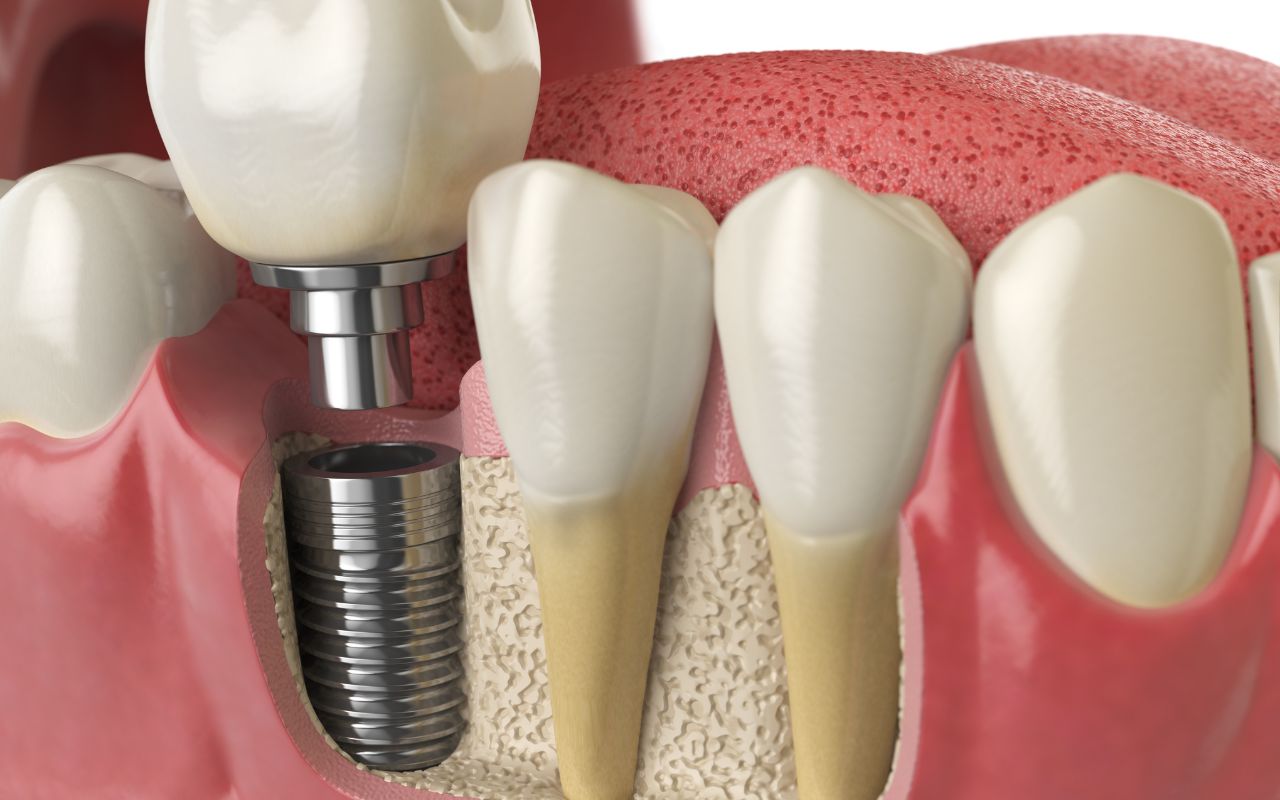
A single tooth implant is a permanent replacement made up of three parts: a titanium post placed in the jawbone, a connector (abutment), and a custom crown that looks and functions like a real tooth. This structure allows an implant tooth to replicate the strength and stability of natural tooth roots while restoring the visible portion of the smile.
Unlike removable options, dental implants are anchored directly into the jaw, helping maintain bone health and bite alignment. The result feels and functions much like a natural tooth, making it one of the most trusted modern tooth-replacement solutions.
Step-by-Step Dental Implant Process
Understanding the dental implant process helps reduce uncertainty and sets realistic expectations.
1. Consultation & Planning
Your dentist evaluates bone density, gum health, and bite alignment using digital imaging. This stage ensures the dental implant procedure is safe and predictable for your specific needs.
2. Surgical Placement of the Implant Post
The implant post is placed into the jawbone during a minor surgical visit. This step begins the foundation for one’s implant tooth replacement.
Timeline: 1–2 hours for placement.
3. Osseointegration (Healing Phase)
Over the next 3–6 months, the implant fuses with the bone. This phase is critical for long-term stability and is a key reason why implants last so long.
4. Abutment & Crown Placement
Once healed, the abutment and crown are attached, completing the dental implant process and restoring full function.
Timeline: 2–4 weeks after healing.
Benefits of Replacing a Single Tooth With an Implant
Choosing dental implants for one missing tooth offers several long-term advantages:
-
Natural look and feel
-
Strong chewing and clear speech
-
Long lifespan with proper care
-
Jawbone preservation
-
No impact on neighboring teeth, unlike bridges
Because implant teeth stand independently, surrounding healthy teeth remain untouched, which supports better overall oral health.
Risks, Complications, and Safety With Single-Tooth Implants
Like any medical treatment, a dental implant procedure carries some risks, though they are relatively rare when planned correctly.
Short-term risks:
-
Mild swelling
-
Temporary discomfort
Long-term considerations:
-
Risk of peri-implantitis without proper hygiene
-
Implant failure (uncommon)
Clinical studies consistently report success rates between 90–98%, especially when patients follow aftercare instructions and maintain routine dental visits. This makes implants one of the most reliable tooth replacement options available today.
Aftercare & What to Expect
Proper care is essential for protecting your dental implant investment.
Home care:
-
Brush and floss daily
-
Use a soft-bristle toothbrush
Dietary guidance:
-
Soft foods during early healing
-
Avoid excessive pressure on the implant tooth initially
Maintenance:
-
Regular professional cleanings
-
Periodic exams to monitor implant health
Patients searching for a dependable dental implant near me should also consider long-term follow-up access when choosing a provider.
Is a Single Tooth Implant Worth It?
Replacing one missing tooth with an implant restores function, appearance, and oral stability without affecting nearby teeth. When planned properly, implant teeth offer a durable, natural-feeling solution with excellent long-term success.
If you’re considering your options, One Eleven Dental provides personalized implant consultations focused on safety, comfort, and lasting results. Schedule a consultation today to find out if a single-tooth implant is the right solution for your smile and oral health goals.
FAQs
Q. Does implant placement hurt?
A: Most patients report minimal discomfort, often less than a tooth extraction.
Q. How long does a single tooth implant last?
A: With proper care, a dental implant can last decades or even a lifetime.
Q. Can implants fail?
A: Failure is rare but possible, often due to infection or poor oral hygiene.
Q. Is bone grafting always needed?
A: No. Bone grafting is only required if the jawbone lacks sufficient density.