
“Do Teeth Go Bad Under Crowns?” – Yes — teeth can still decay beneath crowns.
This article explains how and why cavities under crowns, decay under a crown, and other issues develop, what symptoms of tooth decay under a crown look like, how dentists diagnose cavities under crowns, and how to prevent crown tooth decay in the first place. Throughout this guide, we’ll help you understand what’s happening to the tooth underneath crown restorations and when to seek care. One Eleven Dental is also mentioned as a trustworthy clinical reference for local Bixby readers.
Understanding Dental Crowns
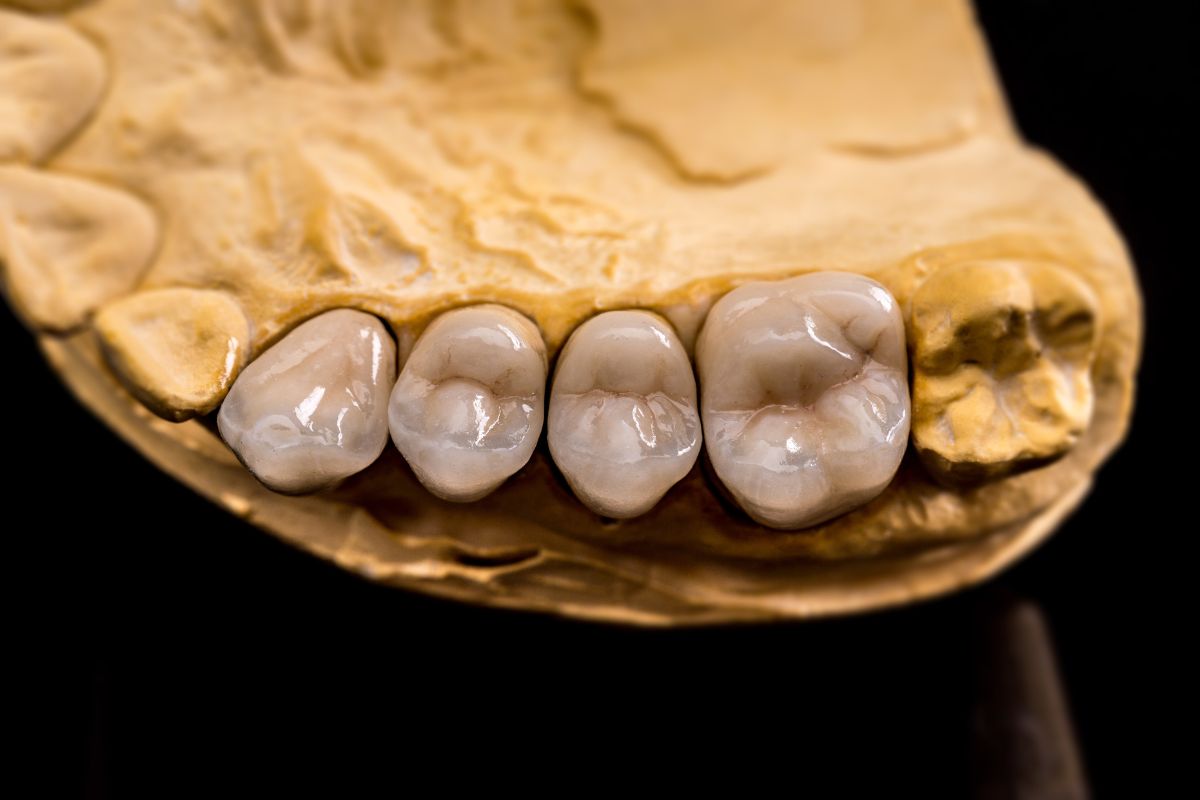
Dental crowns for teeth are custom-made caps that cover damaged or weakened teeth. A dental crown reinforces the tooth, restores chewing strength, and improves appearance. Even after placement of dental crowns, a portion of the natural tooth remains underneath.
Modern teeth crowns can be porcelain, ceramic, zirconia, or metal. While these materials are durable, they don’t make the underlying tooth immune to problems like decayed tooth under crown or tooth decay under crowns.
Why Decay Can Happen Under a Crown
Even with high-quality crowns for teeth, microscopic gaps can form at the margins. These tiny openings allow bacteria to creep in, eventually leading to rotten teeth under crowns or a rotting tooth under a crown if untreated.
Common causes include:
-
Margin gaps / micro-leakage: A small opening can allow bacteria to enter and trigger crown tooth decay or decay under a crown.
-
Weak or aging cement: Over time, the adhesive holding a dental crown in place can break down.
-
Gum recession: Exposed tooth roots are more vulnerable to tooth decay under crowns.
-
Pre-existing decay: If decay was not fully cleared beforehand, a decayed tooth under a crown may continue worsening.
-
Cracks, wear, or bruxism: Mechanical forces compromise the seal, increasing the chance of a cavity under the crown.
-
Poor hygiene or diet: High-sugar diets and inadequate flossing can result in rotten teeth under crowns developing beneath restorations.
Signs & Symptoms of Decay Under a Crown
Patients often notice tooth decay under the crown, but symptoms only appear after the problem grows. Watch for:
-
Sensitivity to temperature or biting pressure
-
Pain or dull aches
-
Dark lines near the crown edge — a warning sign of decay under the crown symptoms
-
Food trapping or difficulty flossing
-
Bad breath or bad taste
-
Gum irritation
-
A loose, shifting crown — often related to symptoms of cavity under the crown
These may indicate a rotting tooth under the crown or an advancing decayed tooth under the crown.
How Can You Tell if a Tooth is Infected Under a Crown?
Dentists rely on:
-
Visual exams and probing
-
X-rays (bitewing or periapical) to detect cavity under the crown, symptoms
-
CBCT or advanced imaging when metal crowns obstruct views
-
Evaluation for leakage around dental crowns
-
Checking for loose margins that might signal a decay under the crown, a symptom of the problem
Treatment Options for a Decayed Tooth Under a Crown
Treatment depends on severity:
-
Small decay: Remove the crown, clean the area, and restore the tooth underneath the crown before placing a new cap.
-
Moderate decay: Replacement of teeth crowns is often required.
-
Deep decay: Root canal therapy if the nerve is infected.
-
Structural loss: Crown lengthening may be needed.
-
Severe destruction: Extraction is required for extremely rotten teeth under crowns.
These measures help prevent further cavity under crown damage.
Risks & Complications if Left Untreated
Ignoring decay under a crown can lead to:
-
Infection or abscess
-
Bone loss
-
Severe crown tooth decay
-
Complete rotting tooth under the crown
-
Tooth loss
-
Spread of infection to the surrounding gums
The more advanced the decayed tooth under the crown, the more complex and costly the treatment.
Prevention: Protecting the Tooth Under a Crown
To avoid future tooth decay under a crown:
-
Brush twice daily and floss around dental crowns
-
Use fluoride toothpaste
-
Schedule routine checkups
-
Treat bruxism with a night guard
-
Avoid sticky, hard foods
-
Monitor teeth crowns for looseness or cracks
Staying proactive prevents tooth decay under crowns and keeps the tooth underneath the crown healthy long-term.
When to See a Dentist?
Seek prompt care if you notice:
-
Persistent pain
-
Odor or bad taste
-
Discoloration near the crown
-
Mobility of the crown
-
Any symptoms of a cavity under the crown
Bixby patients are encouraged to prioritize routine exams—early detection can prevent symptoms of a cavity under a crown from advancing into serious crown tooth decay.
Conclusion
To answer the question clearly: Yes, teeth can go bad under crowns. Issues like decay under a crown, decayed tooth under a crown, and even rotten teeth under crowns are preventable with proper hygiene and regular care.
If you’re in Bixby and worried about tooth underneath crown problems or possible decay under crown symptoms, One Eleven Dental is here to help protect your smile. Schedule your crown check-up today and keep your restored teeth healthy for years to come.
FAQs
Q. Can you feel decay under a crown?
A: Yes — pain, sensitivity, or tooth decay under the crown symptoms often indicate problems.
Q. How often should crowned teeth be X-rayed?
A: Every 1–2 years, depending on your cavity risk.
3. Does crown type affect decay risk?
A: Metal crowns can make detection harder, but any material can still develop a cavity under the crown if the margins leak.
Q. Should I worry if my crown is 10+ years old?
A: Older teeth crowns are more prone to leakage and crown tooth decay, so regular checks are crucial.
Q. How long do teeth last under a crown?
A: Dental crowns usually last 5–15 years, depending on the material and how well you care for them. Metal and gold crowns often last the longest, while PFM crowns typically last 10–15 years.
Q. Is my tooth rotting under my crown?
A: Signs of decay under a crown include pain or sensitivity, gum swelling, bad taste or odor, dark discoloration near the crown, and changes in how the crown fits.
Q. What happens if the tooth under a crown is black?
A: A tooth can darken under a crown if decay develops beneath it or if bacteria cause an infection. Both issues can lead to noticeable discoloration under the crown.