
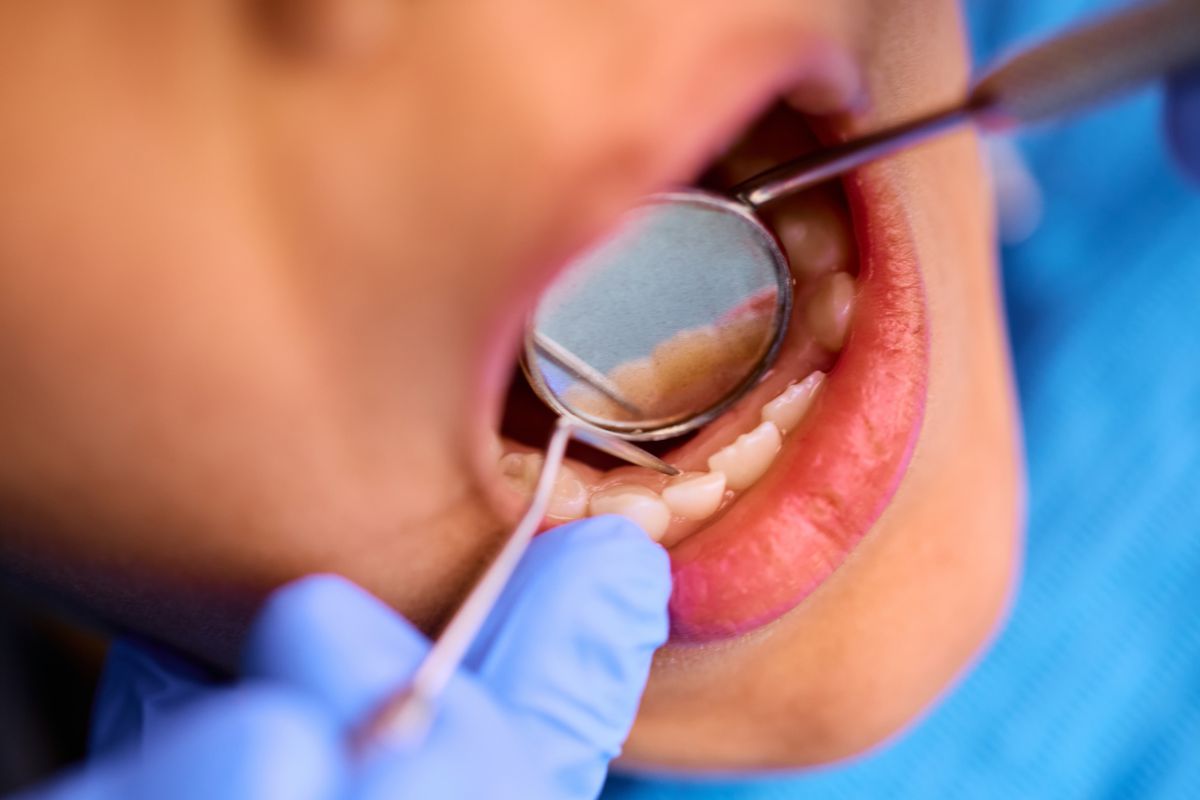
Most people associate sleep problems with primary care physicians or sleep specialists. However, many early warning signs of sleep apnea can be identified during a routine dental exam. This often comes as a surprise.
A trained dentist examines more than just teeth and gums. The structure of the jaw, the position of the tongue, and patterns of tooth wear can all provide important clues about how well you breathe during sleep.
Patients who search for a dentist near me for routine care may not expect a discussion about sleep quality. Yet, identifying these signs early can play a significant role in improving both oral health and overall well-being.
What Is Sleep Apnea?
Sleep apnea is a condition in which breathing repeatedly stops and starts during sleep. The most common type is obstructive sleep apnea, which occurs when the airway becomes partially or completely blocked.
This interruption in breathing can lead to:
- Reduced oxygen levels
- Frequent awakenings, often without awareness
- Poor sleep quality
- Increased strain on the body
Over time, untreated sleep apnea can affect multiple systems in the body, making early detection important.
Why Dentists Often Spot It First
Dentists are uniquely positioned to identify early signs of sleep apnea because they routinely examine areas directly related to airway function.
During a dental exam, a dentist evaluates:
- Jaw alignment and size
- Tongue position and shape
- The condition of teeth and enamel
- Signs of grinding or clenching
These observations can reveal patterns that suggest airway restriction or nighttime breathing issues.
Patients who regularly visit a dentist near me may benefit from this early detection, even before symptoms become obvious.
Oral Signs of Sleep Apnea
There are several signs within the mouth that may indicate a higher risk of sleep apnea.
Narrow Dental Arches
A narrow upper jaw can reduce the space available for the tongue, increasing the likelihood of airway obstruction during sleep.
Tongue Scalloping
Indentations along the edges of the tongue can suggest that the tongue is pressing against the teeth due to limited space.
Teeth Grinding
Chronic grinding or clenching, especially during sleep, is often associated with airway issues.
Worn or Flattened Teeth
Excessive pressure from grinding can lead to visible wear on the teeth.
Dry Mouth
Mouth breathing during sleep can reduce saliva flow, leading to dryness and discomfort.
A skilled dentist can recognize these signs and determine whether further evaluation is needed.
What Is Tongue Scalloping?
Tongue scalloping refers to the appearance of small indentations along the edges of the tongue. These marks are often caused by the tongue pressing against the teeth.
This can occur when:
- The tongue has limited space within the mouth
- The airway is restricted
- The body compensates during sleep by repositioning the tongue
While tongue scalloping is not a diagnosis on its own, it can be an important indicator when combined with other signs.
Patients who notice this feature may consider consulting a dentist near them for further assessment.
How Jaw Structure Affects Breathing
The size and position of the jaw play a critical role in airway health.
A smaller or retruded jaw can:
- Reduce airway space
- Increase the likelihood of obstruction
- Contribute to breathing difficulties during sleep
Orthodontic development, especially during childhood, can influence these factors. In adults, the structure of the jaw remains an important consideration when evaluating sleep-related concerns.
A knowledgeable dentist can assess how jaw anatomy may be contributing to symptoms.
Symptoms You May Not Associate With Sleep Apnea
Many symptoms of sleep apnea are not immediately linked to breathing issues.
Common signs include:
- Loud or frequent snoring
- Daytime fatigue or sleepiness
- Morning headaches
- Difficulty concentrating
- Irritability or mood changes
- Waking up feeling unrefreshed
Because these symptoms can be subtle or attributed to other causes, they are often overlooked.
Patients who experience these issues may benefit from discussing them during a dental visit.
Why Sleep Apnea Should Not Be Ignored
Sleep apnea is more than a sleep disturbance. It is a condition that can impact overall health.
Potential risks include:
- Increased blood pressure
- Cardiovascular strain
- Reduced cognitive performance
- Lower quality of life
Early identification allows for timely intervention, which can significantly improve outcomes.
A routine visit to a dentist near me may provide an opportunity to identify these risks before they progress.
How Dentists Help Identify Sleep Issues
Dentists play an important role in the early detection of sleep-related conditions.
During an evaluation, a dentist may:
- Review medical and sleep history
- Examine oral structures for signs of airway restriction
- Identify patterns of wear or damage
- Recommend further evaluation if needed
If sleep apnea is suspected, patients may be referred for a sleep study to confirm the diagnosis.
This collaborative approach ensures that patients receive comprehensive care.
Treatment Options for Sleep Apnea
Once diagnosed, sleep apnea can be managed through several approaches.
Continuous Positive Airway Pressure (CPAP)
A device that keeps the airway open by delivering a steady stream of air during sleep.
Oral Appliance Therapy
Custom devices designed by a dentist to reposition the jaw and maintain an open airway.
Lifestyle Adjustments
Changes such as weight management and sleep position can help reduce symptoms.
Medical or Surgical Interventions
In some cases, additional treatment may be recommended by a specialist.
A dentist near me can help determine whether oral appliance therapy is appropriate as part of a treatment plan.
When Should You Get Evaluated?
It may be time to seek evaluation if you experience:
- Persistent snoring
- Chronic fatigue despite adequate sleep
- Signs of teeth grinding or jaw discomfort
- Dry mouth upon waking
- Observed pauses in breathing during sleep
Early evaluation can help prevent complications and improve both sleep quality and overall health.
Visit Our Dentist Today!
The connection between oral health and sleep is often overlooked, yet it plays a critical role in overall well-being. A chipped tooth, worn enamel, or scalloped tongue may be more than isolated dental concerns. They can be indicators of underlying issues such as sleep apnea.
At One Eleven Dental, patients receive comprehensive care that goes beyond routine checkups. Each evaluation considers both oral health and its connection to broader health conditions, ensuring that potential concerns are identified early.
If you have noticed signs such as teeth grinding, fatigue, or changes in your oral health, now is the time to take action.
Call us to tel:9183696118 to schedule your appointment with One Eleven Dental today and take the first step toward better sleep, improved health, and a more confident smile.