
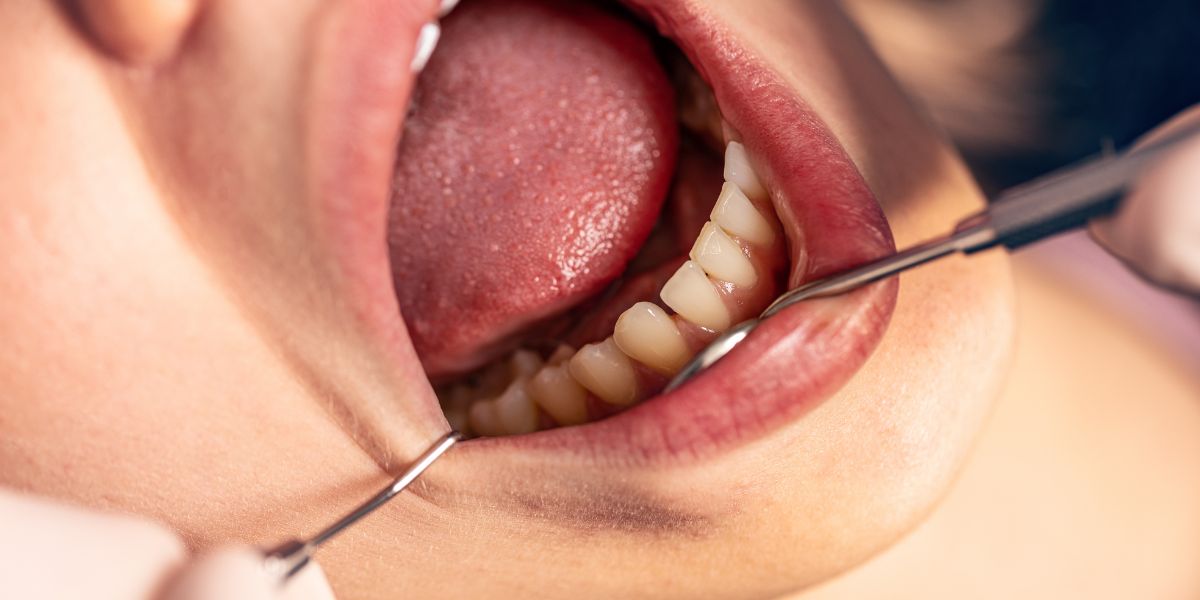
Have you recently noticed that one of your teeth looks darker, yellowish, or even slightly grey compared to the others? It’s a small change—but one that can feel alarming. Many patients initially assume it’s just a stain from coffee or food. But when only one tooth changes colour, it often points to something happening inside the tooth, not just on the surface.
As a dentist, this is one of the most common concerns we hear—and also one of the most misunderstood.
The good news? In many cases, the issue is treatable—especially when caught early. The key is understanding what your tooth is trying to tell you and knowing when to seek help from a trusted dentist near me or a dentist in my area.
Let’s break it down in a clear, patient-friendly way.
Meet The Dentist
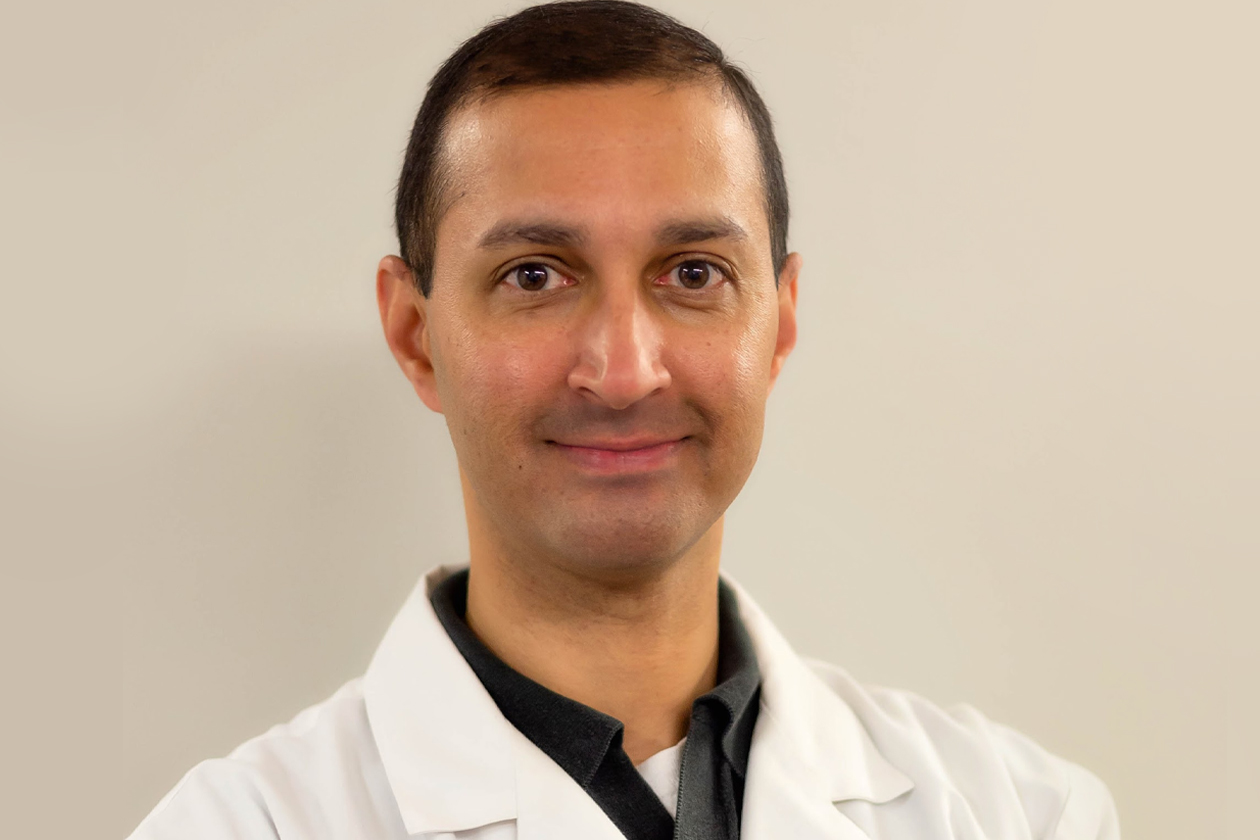
Dr. Tej Lad, DDS, earned his degree from the University of Oklahoma in 2003. Known for his patient-first approach, he enjoys building relationships while providing quality care. Outside the clinic, he spends time golfing, fishing, and with his family.
What Does It Mean When One Tooth Changes Colour?
Tooth discolouration can be divided into two main types:
- External (extrinsic) stains – caused by coffee, tea, tobacco, or poor oral hygiene
- Internal (intrinsic) discolouration – caused by changes inside the tooth
When only one tooth changes colour, dentists immediately consider internal causes. This is because surface stains typically affect multiple teeth—not just one.
Internal discolouration is often linked to:
- Trauma or injury
- Nerve damage
- Infection
- Previous dental work
This is why visiting a dentist in my area promptly is important. It’s not just about aesthetics—it’s about protecting the health of your tooth.
The Most Common Causes of a Single Discoloured Tooth
1. Internal Tooth Trauma (Even If You Don’t Remember It)
One of the leading causes of a discoloured tooth is trauma.
This doesn’t have to be a major accident. It could be:
- A fall during childhood
- Biting something hard
- A sports-related impact
Sometimes, the injury happened years ago, and only now is the tooth showing signs.
What happens inside the tooth?
The trauma can damage the tiny blood vessels inside the tooth. Over time, this affects the tooth’s vitality, leading to discolouration.
Common colour changes:
- Gray
- Dark yellow
- Brown
Many patients are surprised because there’s often no pain at all.
2. Nerve Damage or a “Dead Tooth” (Pulp Necrosis)
Inside every tooth is a soft tissue called the pulp, which contains nerves and blood vessels. When this pulp becomes damaged or dies, the tooth can change colour.
This condition is known as pulp necrosis.
Signs may include:
- Gradual darkening of the tooth
- Reduced or no sensitivity
- Occasional discomfort or pressure
A dead tooth doesn’t always hurt—but it still requires attention from a dentist. Left untreated, it can lead to infection.
3. Internal Bleeding Within the Tooth
After trauma, small amounts of bleeding can occur inside the tooth. As the blood breaks down, it releases pigments that stain the tooth from within.
This often results in:
- Greyish or purplish discolouration
This is another reason why a tooth may change colour long after an injury.
4. Infection or Dental Abscess
In more serious cases, discolouration may indicate an infection.
This happens when bacteria enter the inner part of the tooth, often through:
- Deep decay
- Cracks
- Untreated trauma
Warning signs include:
- Pain or throbbing
- Swelling in the gums
- Bad taste in the mouth
- Fever (in advanced cases)
If you notice these symptoms along with discolouration, it’s important to see a dentist near you immediately. This is not something that will resolve on its own.
5. Previous Dental Work
Sometimes, the cause is less concerning but still worth evaluating.
Certain dental procedures—like fillings or root canals—can cause a tooth to darken over time. Materials used in older treatments may also contribute to discolouration.
Even in these cases, dentists recommend an evaluation to rule out underlying issues.
Signs You Should Never Ignore
A discoloured tooth is your body’s way of signalling that something may be wrong. Here are signs that warrant a visit to a dentist in my area:
- One tooth suddenly turning grey, brown, or black
- A noticeable colour difference compared to the surrounding teeth
- Pain or sensitivity
- Swelling or tenderness in the gums
- A persistent bad taste or odour
Even if there’s no pain, it’s still important to get it checked.
How Dentists Diagnose the Problem
When you visit a dentist, the goal is to identify the exact cause of the discolouration.
Here’s what you can expect:
1. Visual Examination
Your dentist will assess the colour, position, and condition of the tooth.
2. Dental X-rays
These help detect:
- Infection
- Bone loss
- Damage inside the tooth
3. Pulp Vitality Testing
This determines whether the tooth’s nerve is still alive.
The process is quick, non-invasive, and designed to give clear answers—so you can move forward with confidence.
Treatment Options for a Discoloured Tooth
The right treatment depends on the underlying cause. Here’s how dentists typically address the issue:
1. Root Canal Therapy
If the nerve is damaged or infected, a root canal may be recommended.
What it does:
- Removes infected tissue
- Cleans and seals the tooth
- Preserves your natural tooth structure
Modern root canals are far more comfortable than most patients expect. In fact, they’re often no more uncomfortable than getting a filling.
2. Internal Whitening (Internal Bleaching)
For teeth that have darkened after nerve damage, dentists can whiten the tooth from the inside.
This is a highly effective way to restore a natural appearance without removing the tooth.
3. Dental Crowns or Veneers
If the tooth is structurally compromised or significantly discoloured, a crown or veneer may be recommended.
Benefits:
- Restores strength
- Improves appearance
- Provides long-term protection
4. Monitoring the Tooth
In some mild cases, especially when there’s no infection or pain, your dentist may recommend observation with regular follow-ups.
Can a Discoloured Tooth Become Normal Again?
This is one of the most common questions patients ask.
The honest answer is: it depends on the cause.
- If the issue is minor, the tooth may stabilise or respond well to treatment
- If the nerve is damaged, cosmetic treatments can restore its appearance
The important thing is that there are solutions—and early intervention makes a big difference.
Why You Shouldn’t Ignore Tooth Discolouration
It’s easy to dismiss a colour change as a cosmetic issue. But delaying care can lead to:
- Worsening infection
- Pain and swelling
- Tooth loss
- More complex (and costly) treatments
Seeing a dentist near me early allows for simpler, more effective care—and helps preserve your natural tooth.
How to Prevent Tooth Discolouration from Trauma or Damage
While not all cases are preventable, there are steps you can take:
- Wear a mouthguard during sports
- Avoid chewing hard objects (ice, pens, etc.)
- Maintain regular dental check-ups
- Address injuries promptly—even if they seem minor
- Practice consistent oral hygiene
Dentists don’t just treat problems—they help you prevent them.
When Should You Search for a “Dentist Near Me”?
You should seek professional care if:
- A tooth suddenly changes colour
- You’ve experienced trauma to the mouth
- There’s pain, swelling, or sensitivity
- The discolouration continues to worsen
Early action can mean the difference between a simple fix and a more complex procedure.
Don’t Ignore the Signs—Trust One Eleven Dental
A single tooth changing colour isn’t just a cosmetic concern—it’s often your body’s way of signalling that something deeper may be happening. Whether it’s past trauma, nerve damage, or the early stages of infection, getting clarity sooner rather than later can make all the difference.
At One Eleven Dental, the focus is not just on treating the symptom but identifying the root cause with precision and care. With a patient-first approach, advanced diagnostics, and a commitment to comfortable treatment, you can feel confident that your smile is in expert hands.
If you’ve noticed a tooth that looks darker or different, don’t wait for discomfort to begin. The team at One Eleven Dental can guide you through the next steps, helping restore both your oral health and your confidence—because every healthy smile starts with timely, trusted care. Call 918-701-8258 to book a consultation!
FAQs
Q. Is a dark tooth always dead?
A: Not always, but it often indicates reduced or lost vitality. A dentist can confirm with proper tests.
Q. Can a discoloured tooth be saved?
A: Yes, in many cases. Treatments like root canals and internal whitening are highly effective.
Q. Does a root canal fix the colour of the tooth?
A: It stops the underlying issue, and additional whitening or restoration can improve appearance.
Q. How quickly should I see a dentist?
A: As soon as you notice the change, early evaluation leads to better outcomes.