
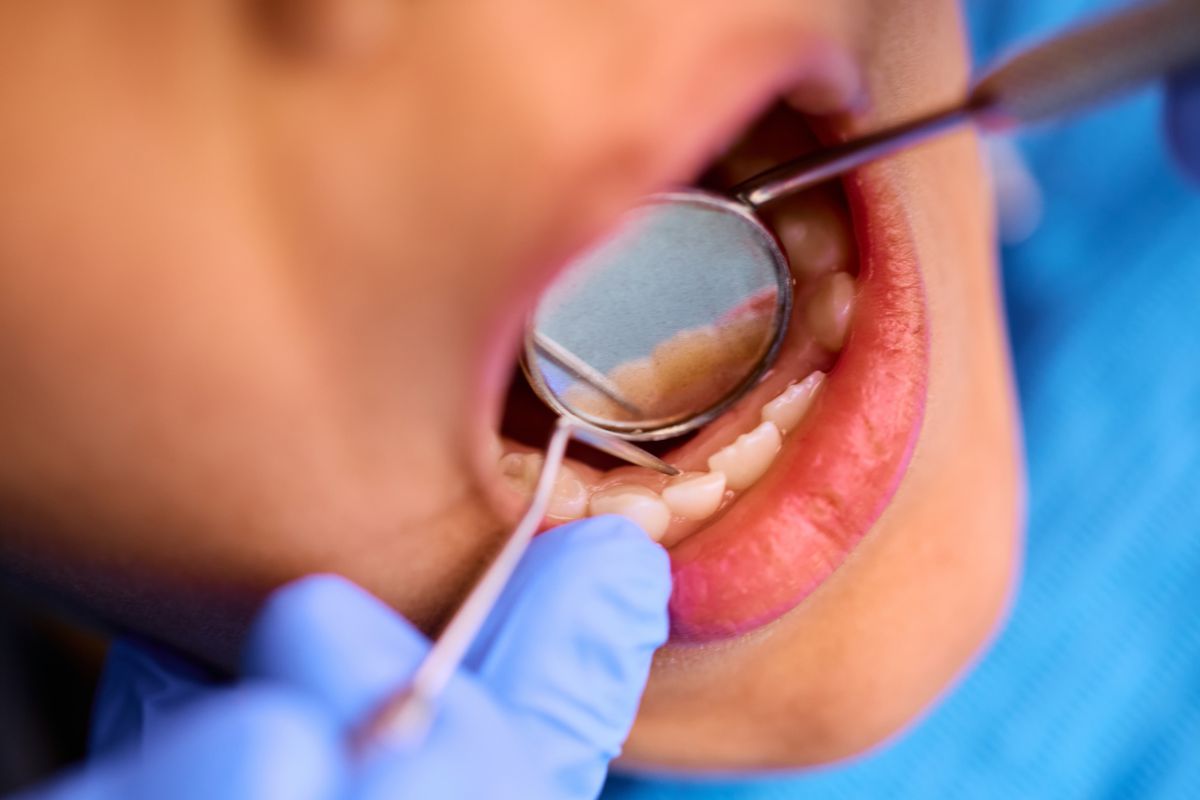
Dental fillings are designed to restore damaged teeth and protect them from further decay. In most cases, they are durable and can last for years. However, some patients find themselves returning to the dental chair more often than expected—dealing with fillings that crack, loosen, or fall out repeatedly.
This can be frustrating, especially when it feels like the same problem keeps coming back. Many people in growing communities like Bixby begin searching online for a dentist near me when a filling fails unexpectedly, hoping for a long-term solution rather than a temporary fix.
The truth is, repeated filling failure is rarely random. It often points to an underlying issue that needs to be identified and addressed. Understanding why fillings fail—and how dentists approach these problems—can help patients protect their teeth and avoid repeated dental work.
What Dental Fillings Are Designed to Do
Dental fillings are used to repair teeth that have been damaged by decay, wear, or minor fractures. The goal of a filling is to restore the tooth’s structure, function, and strength while preventing further damage.
Common types of filling materials include:
-
Composite (tooth-colored) fillings
-
Amalgam (metal-based) fillings
-
Ceramic or porcelain restorations
Each material has its advantages, and the choice depends on factors such as the size of the cavity, the location of the tooth, and patient preferences.
Under normal conditions, fillings can last anywhere from several years to over a decade. However, when they fail prematurely, it often indicates that additional factors are affecting the tooth.
Common Reasons Fillings Fail
Repeated filling failure is usually caused by specific issues that need to be carefully evaluated. Understanding these causes can help patients and dentists work together to prevent future problems.
Tooth Decay Beneath the Filling
One of the most common reasons for filling failure is new decay forming underneath or around the existing filling. This can occur if bacteria remain in the tooth or if oral hygiene habits are not consistent.
When decay develops beneath a filling, the structure of the tooth weakens, causing the filling to loosen or break.
Bite Misalignment (Occlusion Issues)
The way teeth come together when biting plays a significant role in the longevity of dental restorations. If a filling is subjected to uneven pressure, it may wear down or fracture over time.
Bite misalignment can place excessive force on certain teeth, increasing the risk of filling failure.
Teeth Grinding (Bruxism)
Teeth grinding or clenching—often occurring during sleep—can create constant pressure on fillings. Over time, this pressure can cause fillings to crack or dislodge.
Many patients are unaware that they grind their teeth until symptoms such as jaw discomfort or worn dental restorations appear.
Large Fillings and Weak Tooth Structure
Fillings that cover a large portion of the tooth may be more prone to failure. When a significant amount of natural tooth structure is lost, the remaining tooth may not provide enough support for the filling.
In such cases, more durable restorations may be recommended.
Bonding and Technique Factors
Modern fillings rely on strong bonding techniques to attach to the tooth. If bonding is compromised due to moisture, technique, or other factors, the filling may not adhere properly.
Advancements in dental technology have improved bonding methods, but proper technique remains essential.
Diet and Daily Habits
Everyday habits can also affect the lifespan of fillings. Chewing hard foods, biting ice, or consuming sugary snacks frequently can weaken fillings over time.
Patients who frequently experience filling issues often benefit from evaluating their dietary habits.
A skilled dentist considers all of these factors when determining why fillings may be failing.
Signs Your Filling May Be Failing
Recognizing early signs of filling failure can help prevent more serious dental problems.
Common symptoms include:
-
Sensitivity to hot or cold
-
Pain when biting or chewing
-
Rough or uneven edges on the tooth
-
Visible cracks in the filling
-
A loose or missing filling
-
Food is getting stuck in the same area repeatedly
If any of these signs appear, it is important to consult a dentist near you for a professional evaluation.
Why Replacing the Filling Isn’t Always Enough
When a filling fails, simply replacing it may seem like the obvious solution. However, if the underlying cause is not addressed, the same problem may occur again.
For example:
-
Replacing a filling without correcting bite pressure may lead to another fracture
-
Ignoring teeth grinding may continue to damage restorations
-
Failing to address decay may result in further tooth damage
This is why experienced dentists focus on identifying and treating the root cause rather than just replacing the filling.
How Dentists Diagnose the Root Cause
Diagnosing repeated filling failure requires a thorough evaluation. Dental professionals use several methods to identify the underlying issue.
Bite Analysis
Dentists examine how the teeth come together to identify areas of excessive pressure.
Digital X-Rays
X-rays help detect hidden decay beneath fillings or within the tooth.
Examination of Tooth Structure
The dentist evaluates the strength and condition of the remaining tooth.
Review of Habits
Lifestyle factors such as grinding, diet, and oral hygiene habits are considered.
This comprehensive approach allows dentists to develop a treatment plan that addresses the actual cause of the problem.
Long-Term Solutions to Prevent Filling Failure
Once the cause has been identified, dentists can recommend solutions that improve the durability of restorations.
Bite Adjustment
Correcting uneven bite pressure can reduce stress on fillings and help them last longer.
Night Guards for Teeth Grinding
Custom night guards protect teeth from grinding forces during sleep, reducing damage to fillings and natural teeth.
Advanced Bonding Techniques
Modern dental materials and techniques improve the strength and durability of fillings.
Upgrading to Stronger Restorations
In some cases, a filling may not be the best long-term solution. Dentists may recommend alternatives such as crowns or inlays for added strength.
Preventive Dental Care
Regular checkups and professional cleanings help detect problems early and prevent new decay.
Patients who regularly visit a dentist near me for preventive care are less likely to experience repeated filling issues.
When a Filling Should Be Replaced with a Crown
In situations where a tooth has experienced repeated filling failure or significant structural damage, a crown may be a better option.
Crowns provide:
-
Full coverage protection for the tooth
-
Increased durability
-
Better resistance to chewing forces
Dentists often recommend crowns when:
-
A large portion of the tooth is damaged
-
The tooth has undergone multiple fillings
-
The tooth is at risk of cracking
Choosing the right restoration can help prevent ongoing dental problems.
How to Make Your Fillings Last Longer
Patients can take several steps to extend the lifespan of their fillings.
Maintain Good Oral Hygiene
Brushing twice daily and flossing regularly helps prevent decay around fillings.
Avoid Hard Foods
Chewing ice, hard candies, or other tough foods can damage dental restorations.
Address Teeth Grinding
Wearing a night guard can protect both teeth and fillings.
Visit the Dentist Regularly
Routine dental visits allow for early detection of problems and timely repairs.
Consistent care and preventive habits play a significant role in maintaining long-term dental health.
Choosing the Right Dentist for Long-Term Solutions
Not all dental care approaches are the same. When dealing with recurring issues, it is important to choose a provider who focuses on identifying root causes rather than offering temporary fixes.
Patients searching for a dentist near me often benefit from selecting dental professionals who:
-
Perform thorough evaluations
-
Use modern dental technology
-
Provide personalized treatment plans
-
Focus on long-term oral health
Working with experienced dentists can make a meaningful difference in preventing repeated dental problems.
Supporting Long-Term Oral Health in Bixby
Bixby residents value proactive healthcare and maintaining a healthy lifestyle. Addressing dental issues early and seeking comprehensive care helps support both oral health and overall well-being.
Repeated filling failure can be frustrating, but with the right approach, it can be resolved. Understanding the underlying causes and working with skilled dental professionals allows patients to protect their teeth and avoid ongoing discomfort.
Key Takeaway
Dental fillings are designed to be durable, but when they fail repeatedly, it often signals an underlying issue that needs attention. Whether the cause is bite misalignment, teeth grinding, decay, or structural concerns, identifying the root problem is essential for long-term success.
Instead of repeatedly replacing fillings, a comprehensive approach that addresses the cause can help prevent future failures and preserve natural teeth.
If you have been searching for a dentist near me or experienced dentists who focus on long-term solutions, seeking professional evaluation is the first step toward resolving recurring dental concerns.
At One Eleven Dental, the focus is on identifying the root causes of dental issues and providing personalized care that supports long-term oral health.
Contact One Eleven Dental at 918-417-5460 today to schedule an appointment and take the next step toward protecting your smile with lasting solutions.