
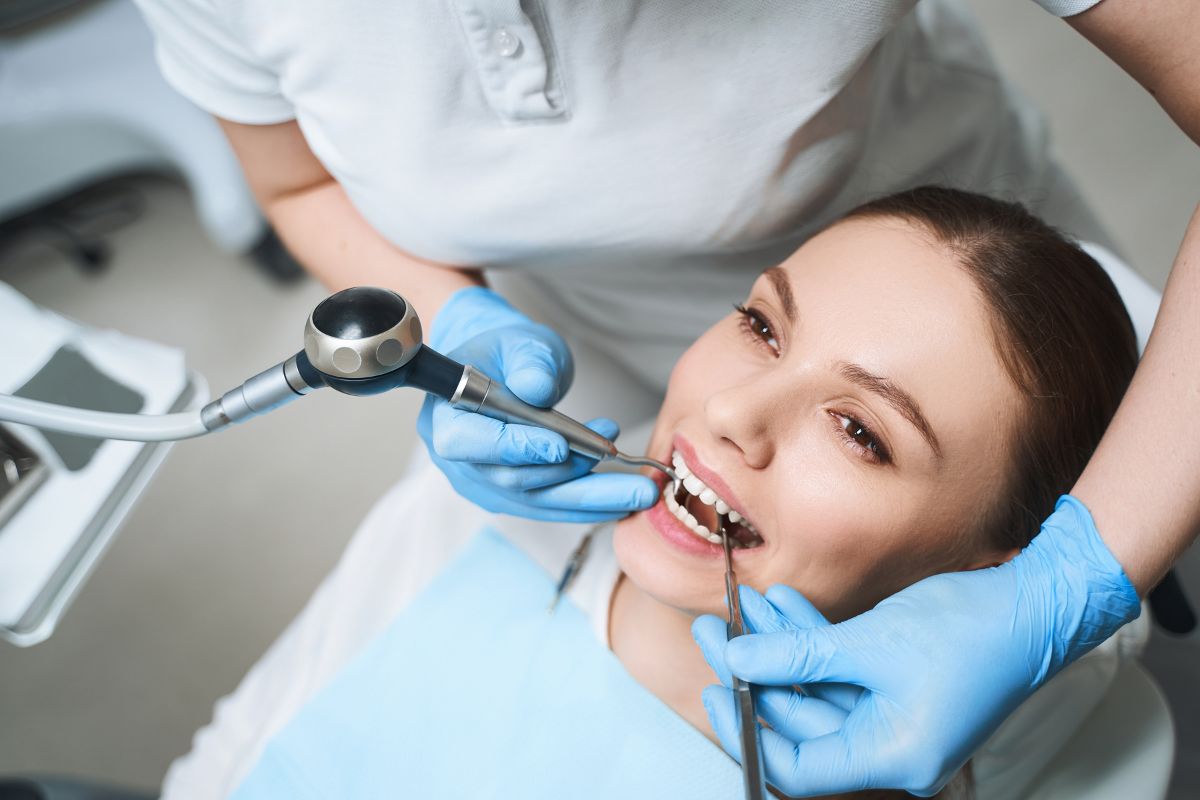
Getting a cavity filled is only the first step toward restoring your oral health—what you do afterward matters just as much. At One Eleven Dental, our experienced Bixby dentist team emphasizes the importance of proper dental filling aftercare to help your restoration last and prevent future complications.
Whether you’ve received a silver amalgam filling for a back tooth or a tooth-colored composite resin for a front tooth, following the right dental filling care routine can make all the difference. Many patients don’t realize that sensitivity, pressure, or mild discomfort are common after a filling, but knowing how to manage these symptoms is key to recovery.
This guide covers everything you need to know about post-filling care, from what to eat (and avoid) to how to brush and floss around the treated area. Our dentist in Bixby is here to walk you through the essential steps of teeth filling aftercare so your smile stays strong, healthy, and pain-free.
Post Dental Filling Care: What To Do After Getting Fillings
Post-filling care, the next steps matter as much as the procedure. Proper aftercare for a filling ensures your tooth heals correctly, minimizes sensitivity, and helps the restoration last longer. Whether you’re wondering what to do after a filling or have questions like “Can you eat after a cavity filling?”, we’ve got you covered with the top filling aftercare guidelines straight from our experts at One Eleven Dental.
Here are five expert-recommended cavity filling aftercare and recovery tips to help you feel comfortable and confident after your procedure.
1. Treat the Area Gently
Right after the filling is placed, your tooth—and possibly the surrounding area—may feel sore or sensitive. That’s completely normal. To support healing, avoid poking or pressing on the area. One of the most important dos and don’ts after tooth filling is giving the tooth some rest. Let the numbness wear off before attempting to eat or brush near the treated tooth.
2. Choose Soft Foods After Dental Work
After tooth filling what to eat is a common concern. Your mouth may feel tender for a few hours, so it’s best to stick with soft foods after dental work—think yogurt, mashed potatoes, scrambled eggs, smoothies, or soup. Avoid sticky or hard foods like nuts, candy, or tough meats, which could damage the new filling or increase discomfort. Knowing what to eat after a filling can make a big difference in how quickly you bounce back.
3. Rinse Your Mouth Gently
As part of your cavity filling aftercare routine, gently rinsing your mouth with warm salt water can help keep the area clean and reduce irritation. Avoid alcohol-based mouthwashes, as they may cause stinging or dryness. A few gentle rinses a day are enough to support a healthy healing environment and freshen your breath, an often-overlooked part of tooth filling aftercare.
4. Manage Discomfort with OTC Relief
It’s common to feel mild discomfort or swelling after a dental filling. You can take an over-the-counter anti-inflammatory, like ibuprofen, to ease soreness and reduce inflammation. This step is beneficial in the first 24 hours and is widely recommended in any filling teeth aftercare plan.
5. Don’t Skip Brushing and Flossing
You may be hesitant to brush or floss the area after your filling, but it’s important not to skip your routine. Use a soft-bristled toothbrush and brush gently around the filled tooth. Floss carefully, avoiding snapping the floss between your teeth. Maintaining oral hygiene is a crucial part of dental filling aftercare, and it prevents new cavities from forming.
Avoid Acidic and Sugary Foods After a Tooth Filling
When it comes to dental filling aftercare, your diet plays a crucial role in protecting your newly treated tooth. Many patients ask, “Can you eat after a cavity filling?” The answer is yes, but it’s important to be mindful of what to eat after a filling and what to avoid.
Acidic beverages like soda, citrus juices, and sports drinks, as well as sugary treats such as candy, pastries, and desserts, can weaken the integrity of your filling and increase your risk of developing new decay. These foods create a more acidic environment in the mouth, which can compromise the success of your fillings teeth aftercare routine.
As part of your aftercare for a filling, limit these items as much as possible, especially during the first 24 to 48 hours. If you do indulge, make sure to rinse your mouth with water immediately to help neutralize harmful acids. Practicing thoughtful filling aftercare ensures your restored tooth stays strong and helps you avoid additional dental treatments down the line.
Skip Tobacco for a Stronger Smile
Part of effective dental filling aftercare is making lifestyle choices that support your oral health, and one of the most important steps is avoiding tobacco products. Whether smoked or chewed, tobacco significantly increases your risk of tooth decay, gum disease, and even oral cancer. It can also cause unsightly discoloration of your fillings over time, shortening their lifespan.
While you may be focused on after tooth filling what to eat, don’t overlook what you should avoid entirely. Tobacco use can interfere with healing and compromise your aftercare for a filling, leading to future complications. Incorporating this into your overall fillings teeth aftercare plan helps protect your smile and ensures your restorations last as long as possible.
For the best results, pair smart eating habits with tobacco-free living to maximize the benefits of your filling aftercare routine.
When to Get a Dental Filling
Dental fillings restore teeth damaged by decay, cracks, or minor fractures. You may need a filling if you’re experiencing symptoms like tooth sensitivity, pain when chewing, visible holes or dark spots on the tooth, or food getting stuck in certain areas. In many cases, cavities are discovered during routine dental exams – before symptoms even begin. The earlier a cavity is treated, the less invasive and costly the procedure will be. Timely intervention with a dental filling helps preserve your natural tooth structure and prevents the decay from spreading further.
Key Takeaways
Getting a dental filling is just the beginning – what you do afterward plays a crucial role in your overall oral health. By following cavity filling aftercare steps – like choosing soft foods after dental work, avoiding tobacco and sugary treats, and maintaining good oral hygiene – you can protect your restored tooth and prevent future complications.
If you’re still wondering what to do after a filling, or after tooth filling what to eat, the team at One Eleven Dental is here to guide you every step of the way. We’re committed to helping patients feel confident about their recovery and long-term oral health through personalized teeth filling aftercare advice.
Need a filling or have questions about cavity filling aftercare? Don’t wait for the discomfort to get worse. Visit a trusted dentist in Bixby today. Call us to schedule an appointment. At One Eleven Dental, our friendly and experienced Bixby dentist team is ready to provide expert care tailored to your needs. Searching for a “dentist near me”? We’re just around the corner – your smile is in good hands with us.
FAQs
Q. What to Not do After Teeth Filling?
A: Minor sensitivity after a filling is normal. Avoid hot, cold, sugary, or acidic foods, and protect against teeth grinding to prevent damage or dislodging.
Q. How Long Does it Take for a Filling to Heal?
A: Healing time after a filling varies, with sensitivity lasting from a few days up to a couple of weeks. Deeper or metal fillings may take longer. If discomfort lasts over a month, see your dentist.
Q. How Soon Can I Eat After Tooth Filling?
A: Tooth sensitivity after a filling is normal and typically fades within 24-48 hours. As for eating, it’s best to wait at least 2 hours after the procedure before having food.
Q. Can I Drink Water After a Filling?
A: You can usually drink water immediately after a dental filling, including composite ones. For metal fillings, wait about 24 hours to let them fully harden. Avoid very hot or cold drinks for a few hours to prevent sensitivity.
Q. Can I Brush Teeth After Filling?
A: Yes, you can brush your teeth after a filling—just be gentle around the treated area to avoid irritation or dislodging a fresh filling.