
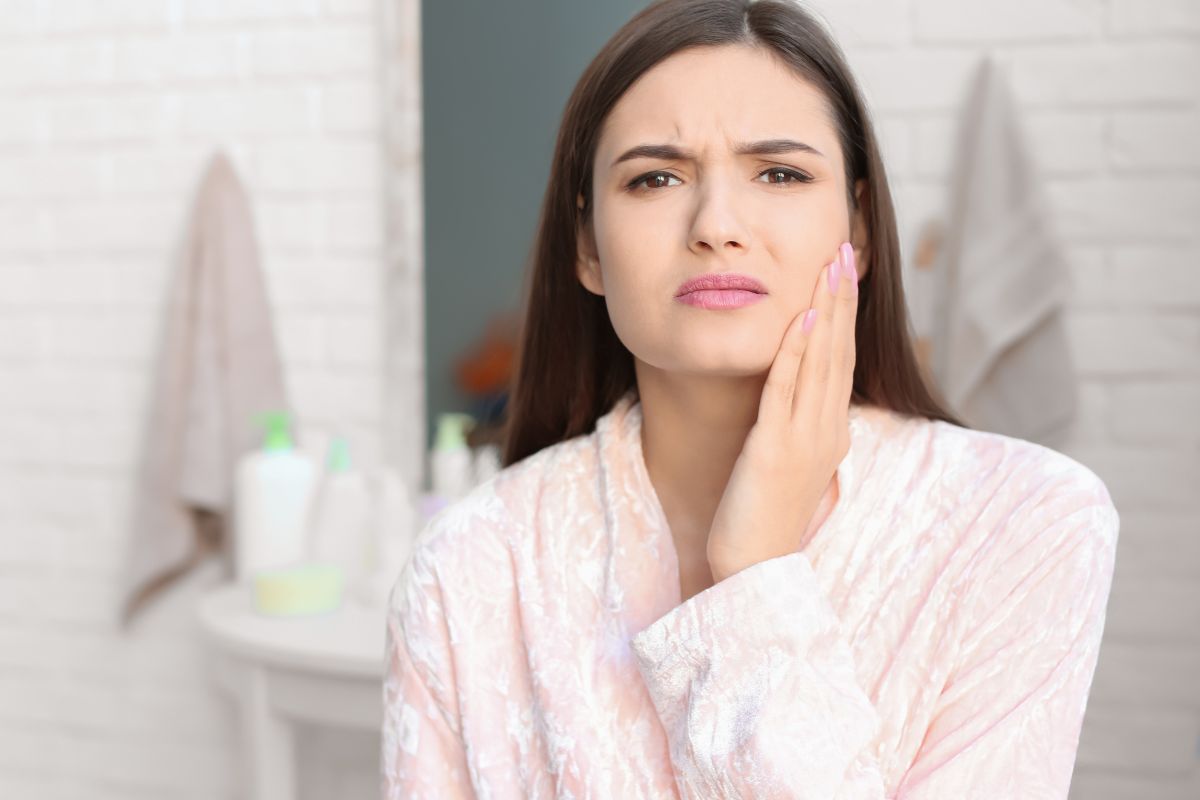
You finally got that brighter smile you have been wanting, but now your teeth ache every time you sip something cold. Tooth sensitivity after whitening is one of the most common side effects patients experience, and while it can be uncomfortable, it is almost always temporary and very manageable.
Understanding why this happens and what you can do about it can make a big difference in your recovery. Bixby dentists at One Eleven Dental can walk you through the process before, during, and after whitening to help you get the results you want with as little discomfort as possible.
Why Does Whitening Cause Sensitivity?
Most whitening treatments use hydrogen peroxide or carbamide peroxide as the active bleaching agent. These compounds work by penetrating the enamel to break up the stain molecules underneath. During this process, the peroxide also temporarily opens up microscopic channels in your enamel called dentinal tubules. These tiny pathways lead directly to the nerve of the tooth, making it more reactive to temperature changes.
Picture your tooth like a sponge. When the peroxide soaks in, it makes the sponge temporarily more porous. That heightened sensitivity is your nerves responding to the increased exposure. Once the whitening process is complete and the tubules close back up, the sensitivity usually fades on its own.
Does the Type of Whitening Matter?
Yes, it does. In-office professional whitening treatments tend to be more concentrated and faster acting, which means more impressive results but also a slightly higher chance of temporary sensitivity. At-home whitening trays use lower concentrations over a longer period, which tends to cause less sensitivity for many patients. Over-the-counter strips fall somewhere in between.
How Long Does the Sensitivity Last?
For most people, sensitivity after whitening peaks in the first 24 to 48 hours and then gradually subsides. By the end of the first week, the vast majority of patients feel completely back to normal. If sensitivity continues beyond two weeks or becomes severe, that is a signal to schedule an appointment with your dentist.
People who already had some degree of natural tooth sensitivity before whitening may experience more pronounced discomfort. That is why a pre-whitening consultation at One Eleven Dental is so important. We assess your enamel health, existing sensitivity, and overall oral health before recommending any whitening approach.
How to Manage Sensitivity After Whitening
The good news is that there are several effective ways to reduce discomfort and help your teeth recover more quickly after whitening treatment.
Use a Sensitivity Toothpaste
Toothpastes formulated for sensitivity contain ingredients like potassium nitrate or stannous fluoride that help calm the nerve response. Start using one at least a week before whitening and continue throughout your recovery period. Many patients find that this single change makes a dramatic difference.
Avoid Temperature Extremes
In the days following whitening, skip the ice water and the steaming hot coffee. Room temperature or slightly warm beverages are much gentler on freshly treated teeth. Even very cold air can trigger discomfort, so some patients prefer to breathe through their nose in cold weather during this time.
Take Over-the-Counter Pain Relief if Needed
Anti-inflammatory medications like ibuprofen can help take the edge off sensitivity discomfort. Always follow the dosage instructions on the label and consult your dentist if you have any concerns about medication interactions.
Ask About Fluoride Treatments
Professional fluoride applications can help strengthen enamel and close those dentinal tubules more quickly. At One Eleven Dental, we often recommend a fluoride treatment as part of the whitening process to help minimize recovery discomfort for our Bixby patients.
When to Call Your Dentist
While sensitivity after whitening is normal, certain symptoms warrant a call to your dental office. Severe pain that does not respond to over-the-counter relief, sensitivity that lasts more than two weeks, or pain in a specific tooth rather than general sensitivity could indicate an underlying issue like a cavity or cracked tooth that was present before whitening.
Getting whitening done under professional supervision at One Eleven Dental means you have support throughout the entire process, not just during the treatment itself.
Enjoy Your Brighter Smile Comfortably
Tooth sensitivity after whitening does not have to be a reason to avoid treatment. With the right preparation and aftercare, most patients sail through the recovery period and love their results. The key is going in informed and having a trusted dental team in your corner.
Ready to explore your whitening options? Visit our dental office or schedule your appointment at One Eleven Dental in Bixby and let us help you achieve the smile you want comfortably and safely.