
Achieving a whiter smile often involves peroxide-based solutions, but choosing the best teeth whitening method depends on factors such as strength, safety, and your unique dental needs. While professional treatments, such as teeth whitening at the dentist in Bixby, use higher concentrations for more efficient results, at-home options tend to be milder and require more consistent use over time.
No matter which method you choose, teeth whitening treatments can cause tooth sensitivity if not used properly. Because not all teeth or dental restorations respond the same way, it’s best to speak with a Bixby Dentist before beginning any teeth whitening treatment or using over-the-counter whitening kits.
Understanding the Causes of Discolored Teeth
You may have teeth discoloration when your teeth appear stained, darkened, or develop visible spots or lines. This color change, known as discoloration of teeth, is typically classified into two types: intrinsic and extrinsic.
- Intrinsic discoloration occurs within the tooth and can be triggered by aging, dental trauma, certain illnesses, or specific medications.
- In contrast, extrinsic discoloration affects the tooth’s outer surface, often caused by foods, drinks, tobacco, or poor oral hygiene. Whether it’s deep-set stains or surface-level enamel discoloration, understanding the type of discolored teeth you have is key to finding the right solution.
Teeth Whitening at Home
Looking to brighten your smile without a trip to the dentist? Many safe and effective ways to seek tooth whitening at home exist. From strips and trays to pastes and rinses, the market offers a wide range of choices for whitening teeth at home.
Tooth Whitening Strips and Gels
These are among the best products for teeth whitening due to their ease of use and visible results. Whitening strips and gels contain peroxide-based bleaching agents and are applied directly to the teeth. Strips adhere to the surface, while gels are brushed on.
-
Usage: Once or twice daily for 10 to 14 days
-
Results: Lightens teeth by 1–2 shades; results can last 4+ months
-
Ideal For: People who want a convenient teeth whitening at-home method with moderate results
Tray-Based Tooth Bleaching Systems
Tray systems are a popular choice for those seeking the best teeth whitening home treatments with more intensive whitening power. These systems use a mouth guard-like tray filled with a peroxide gel or paste.
-
Usage: Worn for 1 to several hours daily for up to 4 weeks
-
Availability: Over-the-counter or custom-fitted by a dentist
-
Results: More noticeable whitening, depending on the consistency of use
-
Ideal For: Those seeking professional-level results through whitening teeth at home
Whitening Toothpastes
Whitening toothpastes help whiten teeth at home using mild abrasives and special polishing agents. While they don’t bleach teeth, they effectively remove surface stains.
-
Usage: Daily, just like regular toothpaste
-
Results: Brightens teeth by about one shade
-
Ideal For: Maintenance or mild teeth whitening at home, especially after other treatments
Whitening Rinses
These rinses contain hydrogen peroxide and can subtly improve tooth brightness with consistent use.
-
Usage: Rinse for 60 seconds, twice daily
-
Results: Slight whitening over time
-
Ideal For: Gentle and gradual at-home teeth whitening, especially for sensitive users
Whitening Chewing Gum
Whitening gums don’t bleach teeth but help prevent stains by neutralizing acids and removing residue after consuming staining substances.
-
Usage: Chew after meals, especially after coffee, tea, or tobacco
-
Results: Helps maintain whiteness, but does not significantly whiten
-
Ideal For: Daily maintenance alongside other best at-home teeth whitening products
Professional Teeth Whitening at the Dental Office
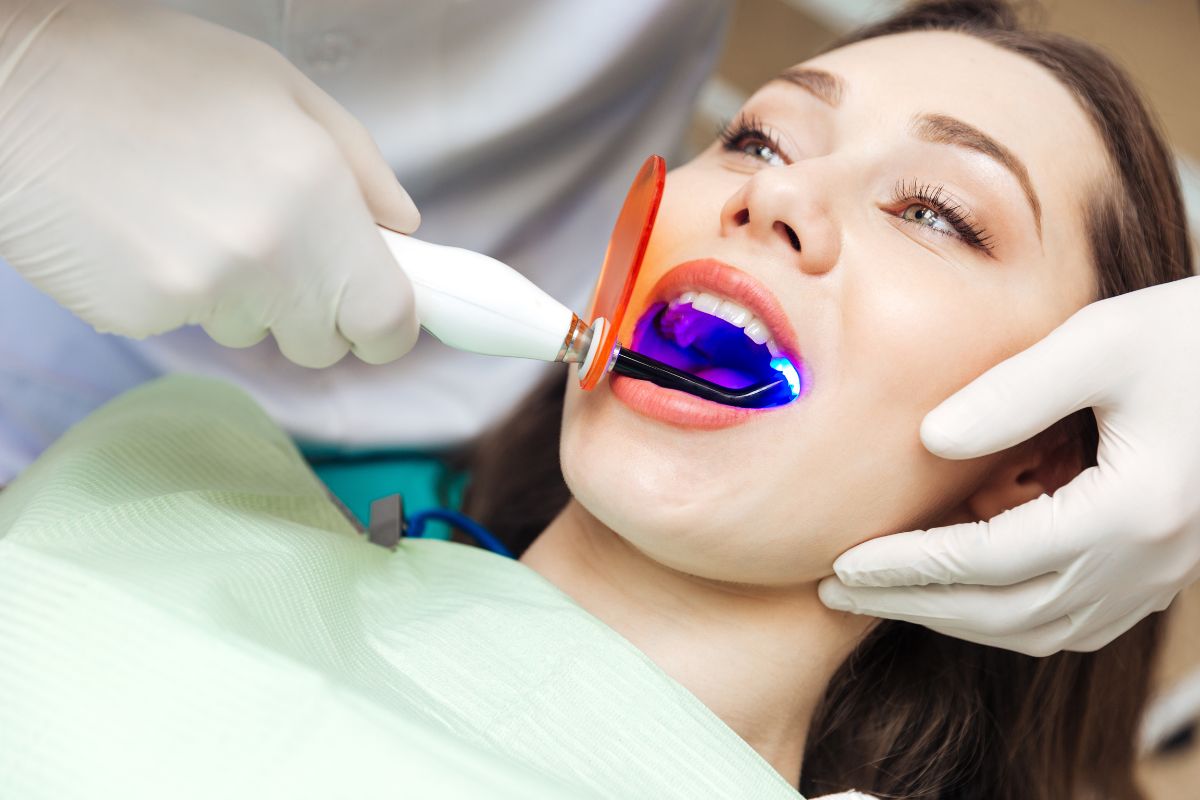
Teeth whitening at the dentist offers a more effective and faster way to improve the brightness of your teeth compared to over-the-counter products. This professional teeth whitening procedure uses stronger bleaching agents and is performed under the supervision of a dental professional to ensure safety and optimal results.
Key features of in-office teeth whitening include:
-
High-concentration bleaching agents: Dental offices use hydrogen peroxide or carbamide peroxide at concentrations much higher than those found in at-home kits.
-
Advanced activation methods: The whitening gel may be activated and enhanced using heat, light, or laser technology to accelerate the whitening process.
-
Short treatment times: Each session typically lasts between 30 to 60 minutes, with multiple visits depending on the level of discoloration and desired outcome.
-
Professional monitoring: The procedure is carefully controlled to minimize tooth sensitivity and protect soft tissues.
During the dental office teeth whitening treatment, protective barriers are applied to the gums and lips before the bleaching agent is placed on the teeth. The process may be repeated several times during the same visit to achieve the desired level of whitening.
In-office teeth whitening is particularly suitable for patients with deep stains or those who require professional oversight due to sensitivity or other dental concerns. This method offers a reliable and efficient approach to enhancing tooth color within a short timeframe.
Natural Teeth Whitening
The foundation of any natural teeth whitening routine begins with maintaining excellent oral hygiene. To naturally whiten teeth, it’s essential to brush twice daily using fluoride toothpaste or toothpaste containing baking soda, floss at least once a day, and drink fluoridated water to support overall dental health.
Beyond regular brushing and flossing, several additional practices can help you make your teeth whiter naturally without harsh chemicals:
Foods That Promote a Whiter Smile
Certain foods contribute to healthier teeth and may help reduce stains, proving to be the most effective teeth whitening agents:
-
Dairy Products: Milk, cheese, and unsweetened yogurt are rich in calcium and phosphates, which help strengthen and repair tooth enamel. Cheese also stimulates saliva production, protecting teeth from decay and gum disease.
-
Fruits and Vegetables: Crunchy, high-fiber foods such as apples, celery, and broccoli act as natural brushes to remove plaque. Strawberries contain malic acid, a natural compound that can help reduce surface stains.
Using Baking Soda Safely
Baking soda is mildly abrasive and can aid in scrubbing away surface stains, making it a popular ingredient for “how to whiten teeth naturally at home“. To use, apply a small amount of baking soda on a damp toothbrush and brush gently, then rinse thoroughly. However, it should only be used sparingly—no more than two or three times a week—to avoid damaging tooth enamel due to its abrasive nature.
Activated Charcoal: Caution Advised
While some people use activated charcoal toothpaste or powders for natural teeth whitening, there is limited scientific evidence supporting its effectiveness. The American Dental Association cautions that abrasive substances like charcoal can wear down enamel over time, potentially making teeth appear more yellow rather than whiter.
Oil Pulling: Traditional but Unproven
Oil pulling involves swishing sesame or coconut oil in the mouth for 15 to 20 minutes daily. Advocates claim it helps whiten teeth and improve oral health. However, current research provides little evidence that this practice effectively whitens teeth.
Is Teeth Whitening Safe?
Many people wonder, “teeth whitening—is it safe?” When performed properly, whitening teeth is safe for most individuals. However, the safety of the process depends largely on the type of whitening method used, the frequency of application, and whether it is done under professional supervision.
Whether teeth whitening is safe is a valid question, but the answer is not a simple yes or no for everyone. Professional treatments and over-the-counter products that are approved by dental authorities—such as the American Dental Association (ADA)—are generally considered safe when used as directed. But excessive or incorrect use of whitening products can lead to a range of dental issues.
Possible Side Effects of Teeth Whitening:
-
Gum Irritation: Whitening agents may irritate the gums, especially if they come into prolonged contact with soft tissue.
-
Tooth Sensitivity: One of the most common side effects is increased sensitivity to hot or cold, often due to temporary enamel changes.
-
Enamel Softening or Erosion: Overuse of whitening products, particularly those that are too strong or used too frequently, may lead to the weakening or gradual erosion of tooth enamel.
-
Roughened Tooth Surfaces: Some abrasives in whitening products can leave enamel uneven or rough.
-
Impact on Dental Restorations: Whitening treatments do not alter the color of crowns, veneers, or fillings, and in some cases, they can cause minor surface damage or mismatched tooth shades.
In addition, emerging research suggests other potential risks from excessive whitening, such as:
-
Loss of Mineral Content: Over-whitening may lead to the depletion of vital minerals in the enamel.
-
Pulpal Damage: In severe cases, damage to the inner pulp of the tooth could occur, particularly with very high concentrations of peroxide.
How to Minimize Risks:
-
Consult your dentist before starting any whitening regimen, especially if you have existing dental conditions or restorations.
-
Use only products that are ADA-approved and clearly labeled for safety.
-
Adhere strictly to usage guidelines provided by the product manufacturer.
-
Avoid daily or excessive whitening applications.
-
Report any unusual symptoms—like persistent sensitivity or gum discomfort—to your dentist immediately.
So, is teeth whitening bad for your teeth? Not when done responsibly. With the right precautions and professional guidance, teeth whitening is safe and can be a beneficial cosmetic treatment. However, choosing the right method and not overusing it is key to protecting your long-term dental health. If you’re still asking, “Are teeth whiteners safe?”—the safest answer lies in professional advice tailored to your individual needs.
Key Takeaway
Achieving a brighter smile is possible through a variety of safe and effective solutions—from natural teeth whitening and at-home whitening kits to teeth whitening at the dentist using professional-grade treatments. Whether you’re dealing with discolored teeth caused by intrinsic or extrinsic factors, or simply learning how to whiten teeth naturally at home, the best results come from informed choices and proper care.
Remember, whitening is safe when done correctly. Always consult your dentist, follow the product guidelines, and opt for ADA-approved options to minimize risks, such as sensitivity or enamel damage.
Ready to safely transform your smile? Call One Eleven Dental in Bixby, OK, today to schedule your appointment.
FAQs
Q. What is the Most Effective Teeth Whitening Method?
A: Professional in-office treatments like LED or laser whitening provide the fastest, most noticeable results using high-strength agents. At-home options are also effective, but they take longer to show results.
Q. What Do Most Dentists Use for Teeth Whitening?
A: Hydrogen peroxide and carbamide peroxide are the most common whitening agents, known for their ability to penetrate tooth enamel and effectively lift stains.
Q. Can Yellow Teeth Become White Again?
A: Yes, yellow teeth can be whitened with better oral care, at-home whitening products, or professional treatments like in-office bleaching.