
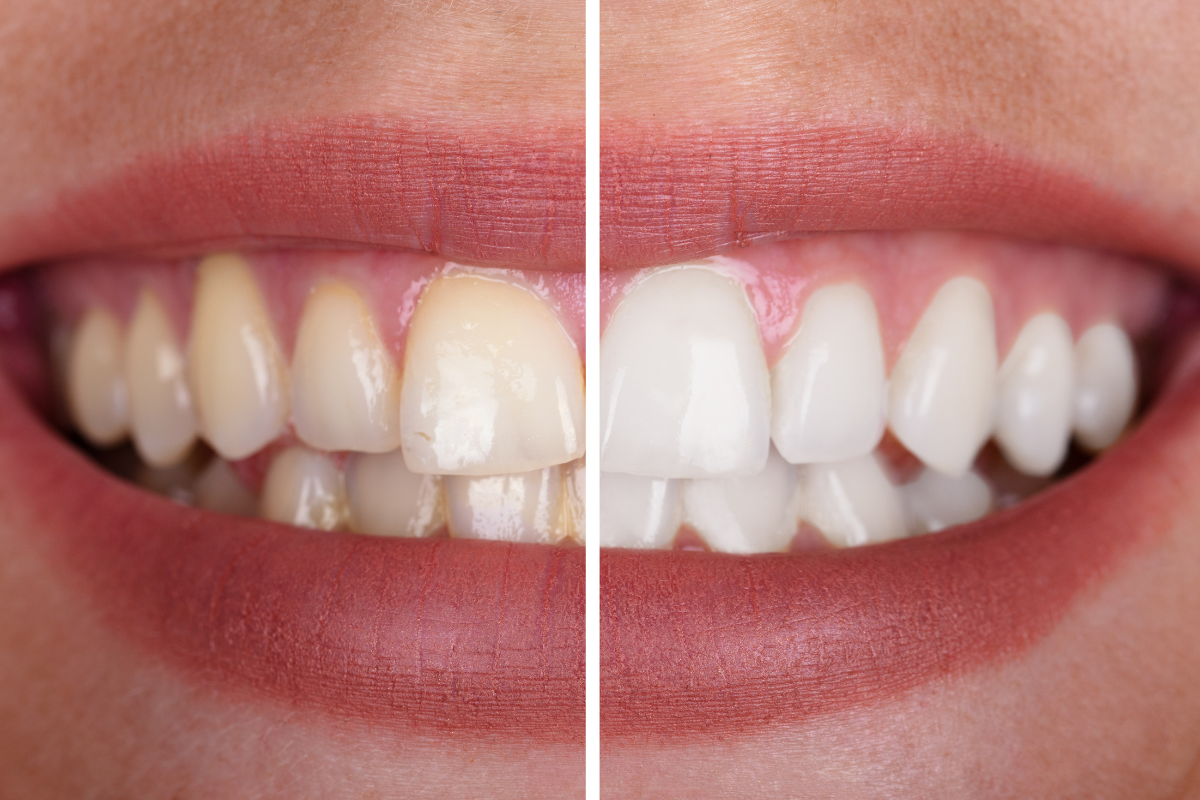
A bright smile can boost your confidence and enhance your appearance, and with today’s advanced teeth whitening options, it’s easier than ever to achieve. At One Eleven Dental in Bixby, OK, we offer safe and effective teeth whitening treatments, whether in-office or through custom take-home kits, as part of our comprehensive cosmetic dental services.
However, many patients ask, “Can teeth whitening damage gums?” While generally safe under professional supervision, teeth whitening can lead to side effects like tooth sensitivity, gum irritation, or enamel damage, especially with improper use or overuse of at-home products.
In this guide, we’ll explain how dental whitening treatment works, explore common teeth whitening side effects, and share expert tips to help minimize the risks of whitening teeth. If you’re considering teeth whitening from a dentist, particularly a skilled cosmetic dentist, this article will help you make an informed and confident decision for a brighter, healthier smile.
What is Teeth Whitening?
Teeth whitening is a standard cosmetic dental procedure designed to lighten the shade of your natural teeth by removing stains and surface discoloration. Gum whitening at a dentist is a key part of cosmetics in dentistry, aimed at enhancing both the appearance and confidence of patients. The process involves applying a teeth whitening bleach on gums, usually hydrogen peroxide on gums or carbamide peroxide, that penetrates the enamel and breaks down the stain molecules responsible for tooth discoloration.
There are two primary methods of whitening teeth:
- In-office teeth whitening at a dentist: This method delivers the most effective and controlled results. It uses professional-grade bleaching agents and is performed under the supervision of a cosmetic dentist, minimizing risks while maximizing brightness.
- At-home whitening kits: These include custom trays, whitening strips, or pens used over several days or weeks. While convenient, they can pose a higher risk of side effects if not used correctly.
Patients seek dental whitening for many reasons: to refresh their look, erase years of stains from coffee, tea, wine, or tobacco, or to prepare for weddings, job interviews, and other special occasions. As dental and cosmetic treatments continue to grow in popularity, it’s important to understand both the benefits and potential side effects of whitening teeth treatments before starting.
Risks and Side Effects: Can Teeth Whitening Damage Gums?
Teeth whitening is widely considered safe when performed or supervised by a qualified dental professional, especially a trusted cosmetic dentist. To answer the question, “Is teeth whitening safe?” patients should understand that even under professional care, the procedure can still carry certain risks. Being aware of the potential side effects of teeth whitening allows individuals to make informed decisions and avoid unnecessary complications.
Whether you’re visiting a dental cosmetic clinic or consulting with the best cosmetic dentist in your area, it’s important to recognize the most common teeth whitening side effects and understand why they occur. Below, we break down these effects and explain their causes to help you approach your teeth whitening journey safely.
Tooth Sensitivity
Tooth sensitivity is one of the most frequently reported side effects of teeth whitening. It typically manifests as a sharp, temporary pain when consuming hot, cold, or sweet foods and beverages. This occurs because the active teeth whitening bleach on gums is usually hydrogen peroxide or carbamide peroxide. These can penetrate the enamel and irritate the underlying dentin layer, where the nerve endings reside.
The sensitivity is generally short-lived, often subsiding within a few days post-treatment. Individuals with pre-existing enamel erosion or thin enamel layers may experience more intense or prolonged discomfort. Particularly if they overuse whitening teeth products or undergo repeated treatments without proper intervals.
Gum Irritation
Another common consequence of teeth whitening is gum irritation, which occurs when the whitening gel comes into contact with the soft tissues of the mouth. This is especially likely when using ill-fitting whitening trays or improperly applying at-home products.
The peroxide-based agents in the gel can cause a chemical burn to the gingival tissues, leading to redness, inflammation, and a stinging or burning sensation. In-office treatments at a dental clinic are typically safer in this regard, as the gums are carefully protected using retractors or barriers during the dental whitening treatment.
Enamel Damage
While enamel is the hardest substance in the human body, it is not immune to chemical wear. Repeated or improper use of strong whitening teeth treatments, especially unsupervised at-home kits or DIY remedies, can gradually erode enamel.
This enamel thinning not only increases sensitivity but also makes teeth more susceptible to decay, staining, and chipping over time. Enamel damage is a significant side effect of teeth whitening and can be irreversible.
Uneven Whitening Results
Patients with existing dental restorations – such as crowns, bridges, veneers, or composite fillings – should be aware that these materials do not respond to bleaching agents. As a result, whitening teeth treatment can lighten natural tooth enamel while leaving restorations unchanged, leading to a visibly uneven or patchy appearance. In some cases, teeth with intrinsic stains, such as those caused by tetracycline use or fluorosis, may also respond poorly to dental whitening, resulting in uneven shades across the smile.
Gum Burn from Teeth Whitening
Using whitening products improperly can lead to chemical burns on gums, causing pain, redness, or peeling. Burned gums from whitening often result from gels or strips coming into direct contact with soft tissues. If you experience chemical burns on your gums from teeth whitening, rinse your mouth, avoid further bleaching, and see a dentist for proper care.
What Causes These Teeth Whitening Risks?
Several factors contribute to the consequences of teeth whitening, primarily when performed without proper guidance:
- Overuse or Misuse: Excessive use of whitening teeth products can expose enamel to prolonged chemical exposure, increasing sensitivity and structural damage.
- Ill-Fitting Trays: Generic trays from at-home kits often do not fit properly, allowing bleach to leak and irritate gums.
- High-Concentration Bleaching Agents: Some DIY kits or spa treatments use highly concentrated peroxide, which can cause burns or irreversible damage if not applied correctly.
- Lack of Supervision: Without oversight from a dental professional, it’s easy to misjudge treatment times or frequency, leading to unexpected side effects from teeth whitening.
To prevent these risks, proper consultation and treatment planning are essential.
How to Minimize the Risks of Teeth Whitening?
Fortunately, there are several proactive steps patients can take to reduce the likelihood of tooth whitening side effects:
- Always Consult a Dentist: Professional evaluation ensures your teeth and gums are healthy enough for dental whitening treatment and helps tailor the best approach for your needs.
- Use Dentist-Approved Products: Choosing products provided or recommended by your dental team helps guarantee safety and efficacy.
- Follow Post-Treatment Instructions: Avoid staining foods or beverages, and practice good oral hygiene to preserve your results and reduce sensitivity.
- Avoid Over-Whitening: Excessive treatments can damage enamel. Allow time between sessions and trust your dentist’s recommendations.
- Schedule Regular Checkups: Routine exams help your dentist monitor for any changes or issues following a teeth whitening session.
At One Eleven Dental, we prioritize both aesthetics and oral health, ensuring your whitening teeth treatment is as safe as it is effective.
How to Protect Gums During Teeth Whitening At-Home?
When doing teeth whitening at home, it’s crucial to shield your gums from irritation. Avoid direct contact with whitening gels, and never try gum bleaching at home or use unsafe gum bleaching home remedies. If you’re considering bleaching gums at home, consult a dental professional first—improper methods can lead to burns, sensitivity, or long-term damage.
When to See a Dentist?
Recognizing when to seek professional help is key to preventing complications from teeth whitening. Contact your dentist if you experience:
- Prolonged or severe tooth sensitivity
- Gum bleeding or burning
- Uneven or spotty whitening results
- Persistent discomfort after treatment
A dentist can determine whether your symptoms are related to teeth whitening or another underlying condition. At One Eleven Dental, our cosmetic dentist tailors each dental whitening treatment to minimize risks and deliver natural, even results. As part of our comprehensive cosmetic dental services, we focus on preserving your oral health while enhancing your smile. With professional guidance and personalized care, we ensure your teeth stay healthy and beautiful throughout and after the whitening process.
How To Treat Burned Gums From Teeth Whitening?
Experiencing gums burning during teeth whitening is a common sign that the whitening gel may have come into contact with your soft tissues. A teeth whitening burning gums sensation can result from the peroxide-based agents used in many whitening treatments. If you develop a chemical burn from teeth whitening, it’s important to rinse your mouth immediately with cool water and apply a soothing gel or aloe vera to the affected area. Most cases of teeth whitening gum burn heal within a few days, but if pain, swelling, or irritation persists, visit your dentist for professional care and to prevent further tissue damage.
Does Whitening Gel Damage Gums?
Tooth whitening gels are generally safe when used as directed, but overuse or improper application can irritate the gums. If the gel for teeth whitening comes into prolonged contact with soft tissues, it may cause temporary redness or sensitivity. Choosing professionally recommended whitening gels for teeth and using a custom-fit tray can help prevent the gel from leaking onto the gums. Always follow the instructions that come with any teeth whitening gel, and consult your dentist for the safest and most effective results.
Local Insight: Safe Whitening at One Eleven Dental in Bixby, OK
If you’re considering teeth whitening at a dentist, One Eleven Dental in Bixby offers safe, effective, and personalized solutions. Our team specializes in both in-office and take-home dental whitening treatments, helping patients achieve visibly brighter smiles without compromising oral health. As part of our comprehensive dental cosmetic procedures, teeth whitening remains one of the most popular and effective cosmetic procedures for teeth.
We prioritize patient education, safety, and satisfaction in every whitening teeth treatment we provide. Whether you’re new to cosmetic dental procedures or simply looking to refresh a previous cosmetic dentistry procedure, our Bixby-based team is here to guide you with professionalism and care. Trust One Eleven Dental to deliver natural results that enhance both your smile and confidence.
Teeth Whitening: Know the Risks, Trust the Experts
Teeth whitening can transform your smile and boost your self-confidence – but only when approached safely and responsibly. As a popular cosmetic dental procedure, it should always be performed under the guidance of a qualified cosmetic dentist to minimize risks. The side effects of teeth whitening, such as sensitivity, enamel damage, and gum irritation, are often preventable with proper care and professional supervision.
At One Eleven Dental in Bixby, OK, we help you navigate the world of dental whitening with confidence. From consultation to aftercare, our team ensures your whitening teeth treatment is both effective and safe.
Don’t risk the consequences of teeth whitening by going it alone – trust the experts for a smile that shines bright and stays healthy. Contact us to schedule your personalized teeth whitening from a dentist in Bixby, OK.
FAQs
Q. Is Hydrogen Peroxide Damaging to Gums?
A: Excessive use of high-strength hydrogen peroxide or frequent applications can lead to gum irritation, resulting in inflammation, sensitivity, or even chemical burns to the soft tissues.
Q. Can Teeth Whitening Permanently Damage Gums?
A: Most over-the-counter whitening kits use low-concentration peroxide to reduce the risk of gum and tooth irritation. However, using them daily over several weeks can still cause long-term gum sensitivity due to repeated exposure
Q. Will My Gums Go Back to Normal After Whitening?
A: The good news is that mild gum irritation from whitening usually clears up within a few days once treatment is stopped. Rinsing with saltwater and using over-the-counter pain relievers can help ease any discomfort during healing.
Q. How Long Does it take for Chemically Burned Gums to Heal?
A: Moderate burns usually heal within 3 to 7 days, with swelling and pain gradually subsiding. White patches will also fade with proper, gentle oral care.
Q. How Can I Whiten My Teeth Without Damaging My Gums?
A: Teeth whitening brightens teeth by breaking down stains. Misusing or overusing these products can lead to sensitivity and gum irritation. Using custom-fitted trays or professional in-office treatments offers the safest and most effective results.
Q. Can Teeth Whitening Burn Your Gums?
A: Yes, teeth whitening can burn your gums if the whitening gel touches them. This is why professional supervision is recommended to protect your gums during treatment.
Q. Can Whitening Strips Damage Gums?
A: Yes, overusing whitening strips or applying them incorrectly can irritate or damage your gums. Always follow instructions and avoid contact with the gumline.
Q. Why Do My Gums Burn With Whitening Strips?
A: Your gums may burn from whitening strips if the bleaching agent touches the gumline, causing irritation or a mild chemical burn. Improper placement or overuse is usually the cause.
Q. Is it Normal for Whitening Strips to Hurt Your Gums?
A: Mild gum irritation from whitening strips is common if the gel touches your gums. Stop use if soreness persists and see your dentist.