
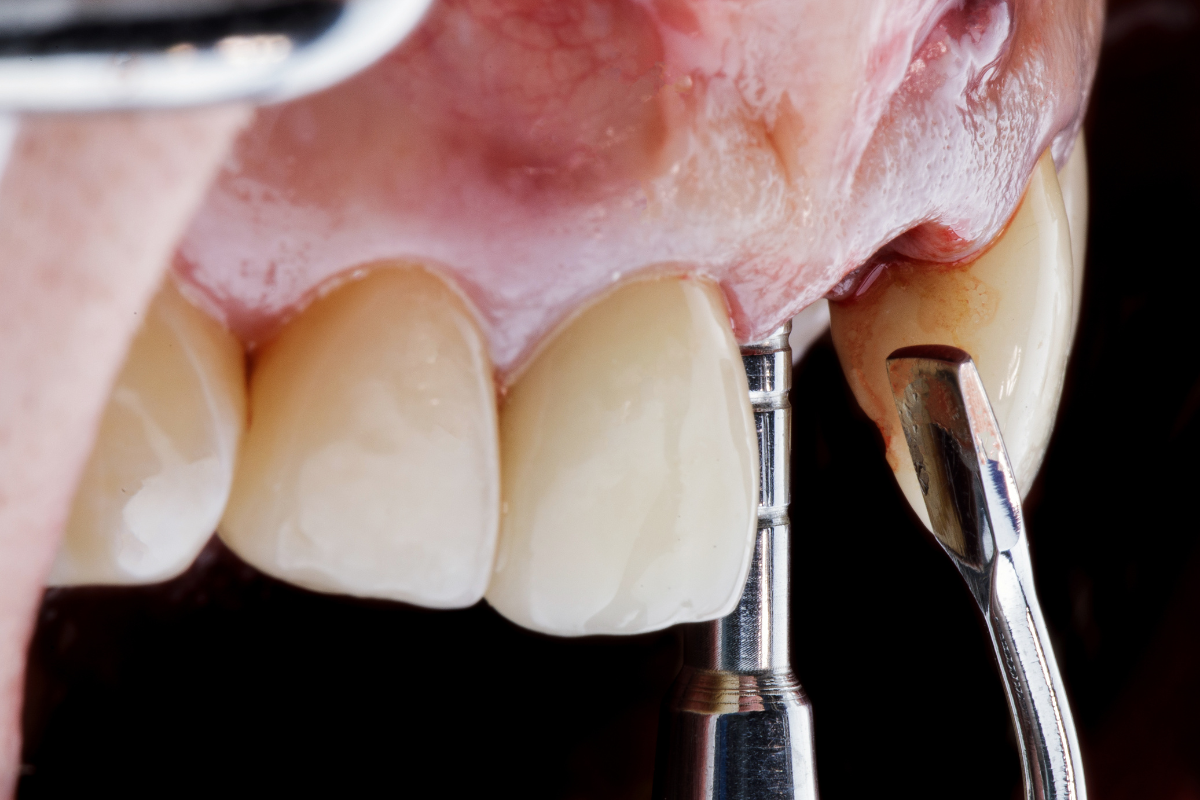
Bone loss in your jaw alignment due to missing teeth, gum disease, or injury? We at One Eleven Dental, Bixby, OK, recommend that you need a bone graft dental procedure. A bone graft in the jaw can help rebuild lost bone and prepare your mouth for future treatments, such as dental implants.
Bone graft dental procedure involves placing natural or synthetic bone material in areas where your jawbone has deteriorated. Whether you’re planning for implants or addressing the effects of bone loss, our skilled dentist in Bixby ensures personalized care for lasting results.
What is a Bone Graft Dental Procedure?
A dental bone graft is a specialized surgical procedure used to rebuild bone in areas of the jaw where bone has been lost or is insufficient, and helps with restoring jaw support. This process plays a critical role in bone grafts in dentistry, especially when preparing for restorative treatments like dental implants or when bone loss threatens surrounding teeth and gums.
During bone graft surgery, a dentist or oral surgeon carefully places grafting material – either from the patient’s own body or a donor source – into the area of bone deficiency. This material acts as a scaffold, encouraging the body’s natural healing process to generate new, healthy bone tissue over time. Essentially, dental bone grafting provides the structural foundation your jaw needs for long-term oral health and function.
Types of Bone Grafting Materials
There are several types of bone grafting materials used in bone graft dental procedures, each chosen based on the patient’s needs and the clinical situation:
- Autograft: Bone is harvested from your own body, such as the jaw, hip, or tibia. This method is highly biocompatible and supports faster healing.
- Allograft: Bone is sourced from a human donor, typically through a licensed tissue bank. It’s carefully processed and sterilized for safety.
- Xenograft: Bone material comes from another species—commonly cow or pig—and is specially treated for human use.
- Alloplast: A synthetic option made from materials like calcium phosphate or bioglass, designed to mimic the properties of natural bone.
Each of these bone grafting materials has specific advantages and is selected based on the amount of bone needed, the location of the graft, and the overall treatment goals.
Why Bone Grafting is Done?
A dental bone graft is a versatile procedure commonly used to address a wide range of oral health concerns related to bone loss in the jaw. Whether due to injury, disease, or tooth loss, bone grafting helps rebuild and restore the jawbone’s strength and structure.
At its core, bone grafting dental treatment is designed to support and preserve oral function while preparing the mouth for future restorative procedures. Here are several key conditions that may be managed using bone grafts for teeth:
- Tooth Extraction Sites: Grafting helps fill empty sockets after tooth removal, preserving the shape and density of the jaw.
- Jawbone Loss: Bone grafts can rebuild the width and volume of the jaw where bone has deteriorated over time.
- Sinus Lifts: In cases involving upper molars, bone grafting is used to elevate the sinus floor and create space for dental implants.
- Dental Implant Preparation: For patients lacking sufficient bone support, grafting provides a solid foundation for placing implants.
- Dentures and Bridges: Reconstructing the jaw with bone grafts can improve the fit and longevity of full or partial dentures.
- Injury or Trauma: Grafts can repair areas of bone that have been damaged due to facial injuries.
- Loose Teeth: Bone loss from periodontal disease may lead to tooth mobility; grafting helps stabilize and support affected teeth.
- Infection-Related Bone Loss: Advanced gum disease and other infections can erode jawbone tissue, which bone grafting can effectively restore.
With the help of modern techniques and biocompatible materials, bone grafting dental procedures offer reliable, long-term solutions for restoring oral health and preparing for advanced dental restorations.
Who is a Candidate for a Dental Bone Graft?
Not everyone starts with the ideal foundation for restorative dental work, especially when bone loss is present. Fortunately, dental bone grafting can help rebuild and strengthen areas of the jaw that have deteriorated due to disease, injury, or aging. Many people are candidates for bone grafting dental procedures, even if they aren’t planning to get implants right away.
Here are the most common situations where a dental bone graft may be recommended:
1. Patients Planning for Dental Implants
When a patient has missing teeth and is preparing for implants, there must be enough healthy bone to support the titanium post. If the jawbone is too thin or soft, dental implants bone graft procedures are often required to build up the area first. Without a solid foundation, implants are more likely to fail. Grafting helps ensure long-term stability and success.
2. Tooth Loss and Gum Disease
Chronic periodontal disease and prolonged tooth loss can both lead to jawbone deterioration. Even if you aren’t receiving implants, bone grafts for teeth can stabilize weakened jawbone, protect nearby teeth, and prevent further complications. In many cases, dental grafting bone serves as a preventive measure against future tooth loss and bone collapse.
3. Aesthetic and Functional Bone Restoration
Significant bone loss can alter your facial appearance, making the face look sunken, shortening jaw height, or causing the lips to appear less supported. Bone grafting not only restores function but can also enhance facial aesthetics. This type of bone graft surgery is especially beneficial for patients who’ve experienced facial trauma or age-related bone thinning.
4. Injury or Infection-Related Bone Damage
Infections, untreated cavities, and jaw trauma can all result in lost bone volume. In these cases, dental bone grafting is used to rebuild the affected area with biocompatible dental bone graft material, restoring strength and structure to the jaw.
What Happens During a Bone Graft Dental Procedure?
If you’re preparing for bone grafting dental treatment, knowing what to expect can help ease anxiety and ensure you’re well-prepared. Whether you’re receiving a graft for a future implant or to repair bone loss, most bone graft procedures follow a structured and straightforward process.
Here’s a general overview of how a dental bone graft or dental bone transplant is typically performed:
Step-by-Step: Bone Grafting for Teeth
- Anesthesia and Sedation: Your provider begins by numbing the area with a local anesthetic. If your case requires more profound relaxation, sedation may also be administered to keep you comfortable during the bone graft operation.
- Incision and Gum Preparation: A small incision is made in your gum tissue, and the gums are gently lifted to expose the area of bone loss.
- Cleaning and Disinfection: The underlying bone is cleaned and prepared to receive the graft. Any damaged or infected tissue is removed to ensure the site is healthy.
- Placement of Bone Grafting Material: Next, bone grafting in teeth involves placing graft material – either from your own body, a donor, or a synthetic source—into the area where bone support is lacking. This bone graft dental material acts as a scaffold for new bone growth.
- Membrane Protection: A protective membrane may be placed over the graft to shield it during healing. Some membranes dissolve naturally, while others may require removal in a follow-up visit.
- Repositioning and Suturing: The gums are repositioned over the graft site and secured with stitches. The area is then allowed to heal, beginning the process of bone regeneration.
- Optional Healing Boost with PRP: In some cases, platelet-rich plasma (PRP)—derived from your own blood – may be applied to enhance healing and stimulate tissue growth. This advanced approach is often used in modern bone grafts in dentistry.
Types of Dental Bone Graft
There isn’t a one-size-fits-all solution when it comes to restoring jawbone health. Depending on the location and severity of bone loss, dentists may recommend different types of dental bone graft procedures tailored to your unique oral health needs. Below are the three most common types of bone grafting dental techniques used in modern dentistry:
1. Socket Graft
One of the most widely performed bone grafts for teeth, a socket graft is done immediately after a tooth extraction. This preventive procedure places dental bone graft material directly into the empty tooth socket to maintain bone height and volume. It’s a highly effective method to avoid the natural bone loss that typically follows tooth removal, and it prepares the area for a future dental bone transplant, such as an implant.
2. Sinus Lift (Sinus Augmentation)
When bone has deteriorated in the upper back jaw, particularly near the molars, the sinus cavity may shift downward, reducing available bone for implant placement. A sinus lift is a specialized bone graft operation where the sinus membrane is gently lifted, and bone graft dental material is added beneath it to rebuild the upper jaw. This type of bone grafting for teeth is crucial for ensuring long-term implant success in the upper arch.
3. Block Bone Graft
Used in more advanced cases of bone loss, a block bone graft involves removing a small “block” of bone, often from the back of the jaw near the wisdom teeth, and transplanting it to a deficient area, such as the front of the jaw. This type of bone grafting in teeth provides substantial structural support and is ideal when large areas of bone need to be rebuilt before implant placement. It’s one of the more complex bone grafts in dentistry, but often delivers outstanding results.
Each of these dental bone graft procedures plays a crucial role in rebuilding the jaw’s foundation—whether you’re preparing for implants, restoring facial structure, or recovering from trauma. Thanks to innovations in bone grafting, dental techniques, and materials, today’s patients benefit from more predictable outcomes and shorter healing times than ever before.
Dental Bone Grafting Side Effects
While bone grafts in dentistry are generally safe and well-tolerated, all surgical treatments carry some risk. The most common dental bone grafting side effects include:
- Mild to moderate pain
- Temporary swelling or bruising
- Difficulty chewing or speaking for the first few days
- Minor bleeding at the surgical site
These symptoms usually resolve with proper care and medications. However, more serious (though rare) complications may include:
- Infection if antibiotics aren’t completed as directed
- Bone graft rejection (particularly if non-autogenous material is used)
- Nerve injury, especially near the wisdom tooth region
- Anesthesia complications
- Blood clots, in extremely rare cases
Your “bone graft dentist near me” will guide you on how to minimize these risks and help ensure your bone grafting journey is successful from start to finish.
Restore Jaw Strength. Rebuild Your Smile.
Bone loss doesn’t have to hold you back. At One Eleven Dental, our skilled Bixby dentist team uses advanced bone grafting dental techniques to restore jaw strength and prepare for treatments like dental implants and bone grafting.
Whether it’s a socket graft, sinus lift, or complete dental bone transplant, we tailor each bone graft dental procedure to your needs, ensuring long-term function and aesthetics.
Searching for “dental bone graft near me”? Our experienced dentist in Bixby offers expert care in bone grafts for teeth and beyond. Schedule your consultation and take the first step toward a healthier, stronger smile.
FAQs
Q. How Painful is Dental Bone Grafting?
A: Dental bone grafting is typically a routine, painless procedure. Any post-op discomfort or swelling is usually mild and easily managed with pain relievers.
Q. How Long Does a Dental Bone Graft Last?
A: A dental bone graft can last a lifetime when supported by an implant, but without it, bone density may decrease over time.
Q. Why Doesn’t Dental Insurance Cover Bone Grafts?
A: Dental insurance often excludes bone grafts since they’re seen as prep for implants, which are rarely covered. Coverage may apply only if the graft is medically necessary beyond implant placement.
Q. Can I Get a Bone Graft and No Implant?
A: Even without a dental implant, a bone graft helps maintain bone density, supports nearby teeth, and preserves facial structure.
Q. What Are the Risks Associated with a Dental Bone Graft?
A: Dental bone grafts are typically safe, but mild pain, swelling, and bruising are common in the first few days. Though rare, complications like infection, nerve damage, or graft failure can occur.