
Can Dental Implants Be Removed?
Yes — dental implants can be removed, though it’s not something most patients will ever need. In rare cases, an implant tooth may need to be removed due to infection, failed integration, or structural problems. In this article, we’ll explain when dental implant removal might be necessary, what the dental implant removal procedure involves, and how you can prevent it through proper care and regular check-ups.
At One Eleven Dental in Bixby, OK, our experienced team helps patients understand the full life cycle of their implant teeth — from placement to long-term maintenance, and even what happens if removal becomes necessary.
How Dental Implants Are Designed to Stay in Place
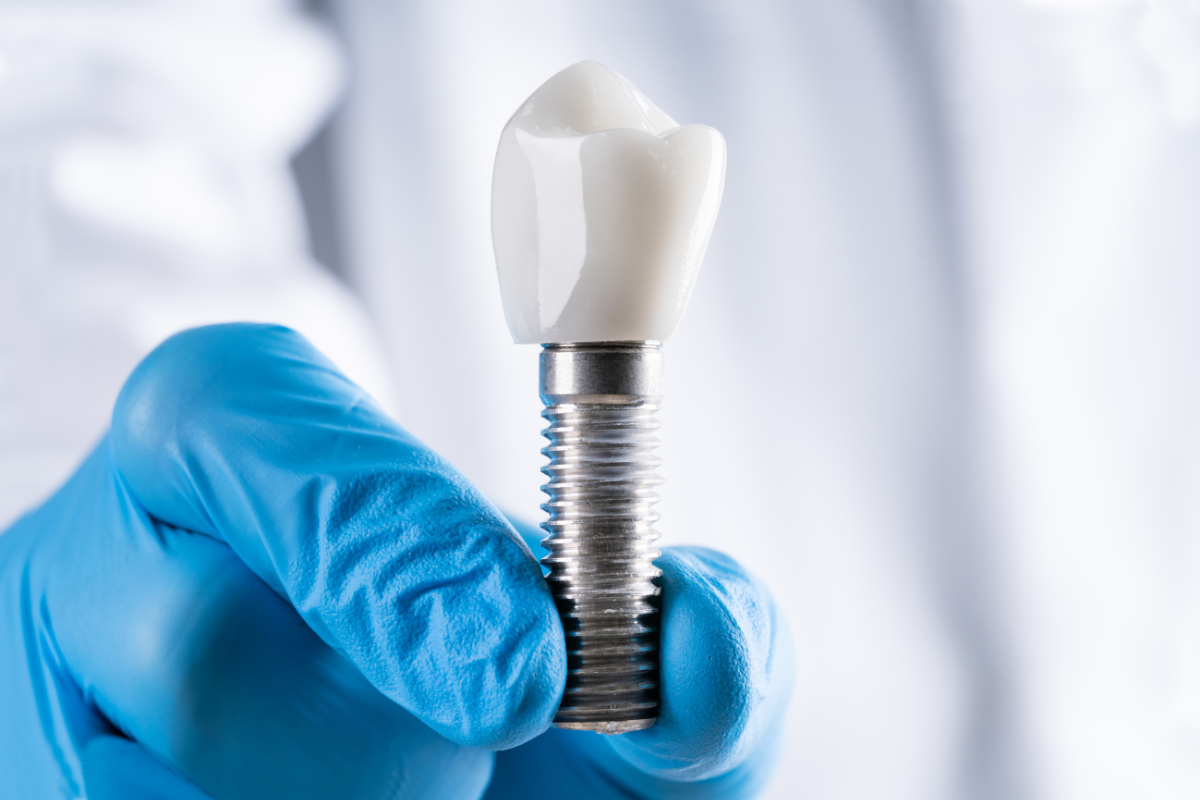
A dental implant is a small titanium post surgically inserted into your jawbone to replace a missing tooth root. Through a process called osseointegration, the implant tooth fuses with the bone, creating a stable foundation for a crown, bridge, or denture.
These implants are designed to be permanent — a durable, long-term solution that restores both function and appearance. However, while implant teeth are intended to last for decades, certain issues can make implant removal necessary.
Yes — It Is Possible to Remove a Dental Implant
Can a tooth implant be removed? Yes — but only under specific conditions. Because dental implants fuse directly to the bone, removal of dental implants is not routine and requires specialized expertise.
Once an implant has fully integrated, extracting it often involves carefully separating it from the surrounding bone — a delicate process that should only be performed by a trained implant dentist, periodontist, or oral surgeon.
Why Removal Might Be Necessary
While dental implants boast a success rate above 95%, certain complications can make teeth implant removal unavoidable. Common reasons include:
-
Implant failure or lack of bone integration – When the bone doesn’t bond properly with the implants, it can cause mobility.
-
Infection or peri-implantitis – Gum disease or bone loss around the implant tooth.
-
Damage to nearby structures – Nerves, sinuses, or other teeth affected by improper placement.
-
Prosthetic complications – Misalignment or bite issues caused by the tooth implant’s position.
-
Patient-driven reasons – Rarely, a patient may request removal of dental implants due to aesthetic or financial concerns.
Each case is unique, and these situations represent exceptions — not the norm.
What the Dental Implant Removal Process Involves
The removing dental implants procedure begins with thorough diagnostics, including X-rays or CBCT scans, to plan the safest approach. Depending on the situation, the implant may be removed using special instruments that minimize bone loss.
If bone damage occurs, grafting may be necessary before placing a new implant tooth. Healing can take several weeks to months before replacement options — such as a new implant, bridge, or denture — are considered.
For complex cases, such as when can full dental implants be removed or can all on 4 dental implants be removed, it’s essential to work with an experienced implant specialist in the Bixby area.
What to Expect After Removal
After teeth implant removal, healing time varies based on the extent of surgery and whether bone grafting was needed. You might wear a temporary prosthesis to maintain your smile during recovery. Once healed, patients can often replace the removed implant teeth with new ones, restoring both function and aesthetics.
Discussing your case with a trusted provider of dental implants near me will help you understand your personalized options for replacement and healing.
How to Avoid Needing Implant Removal
The best way to avoid ever needing the removal of dental implants is through prevention
Here’s how to protect your implant teeth long-term:
-
Maintain excellent oral hygiene and attend regular check-ups.
-
Avoid smoking and manage conditions like diabetes.
-
Address any bite or jaw discomfort early.
-
Choose a qualified provider for both placement and follow-up.
Conclusion
While dental implants are designed to be permanent, there are rare situations where implant tooth removal becomes necessary. The good news: with proactive oral care, regular maintenance, and expert planning, most patients will never face this issue.
If you suspect a problem with your implant tooth or want a second opinion about the removal of dental implants, contact One Eleven Dental in Bixby, OK. Our team combines advanced technology and compassionate care to help you protect your implants — and your confident smile — for life.
FAQs
Q. What happens if a dental implant has to be removed?
A: The implant is gently removed under local anesthesia in about 30–60 minutes, and a bone graft may be placed to preserve jaw structure.
Q. How painful is it to remove dental implants?
A: Mild pain, soreness, and swelling for a few days are normal and manageable with OTC pain relievers. Contact your dentist if pain, swelling, or bleeding worsens, or if you notice signs of infection.
Q. Can a general dentist remove an implant?
A: No — unlike dentures, implants can’t just be “popped out.” Removal requires surgery, usually due to infection (peri-implantitis) or failed bone integration.
Q. How long is recovery from removing a dental implant?
A: Soft tissue heals in 1–2 weeks, while bone may take 4–6 months to fully regenerate. Mild swelling and discomfort fade within days, though healing may take longer if a bone graft is done.