
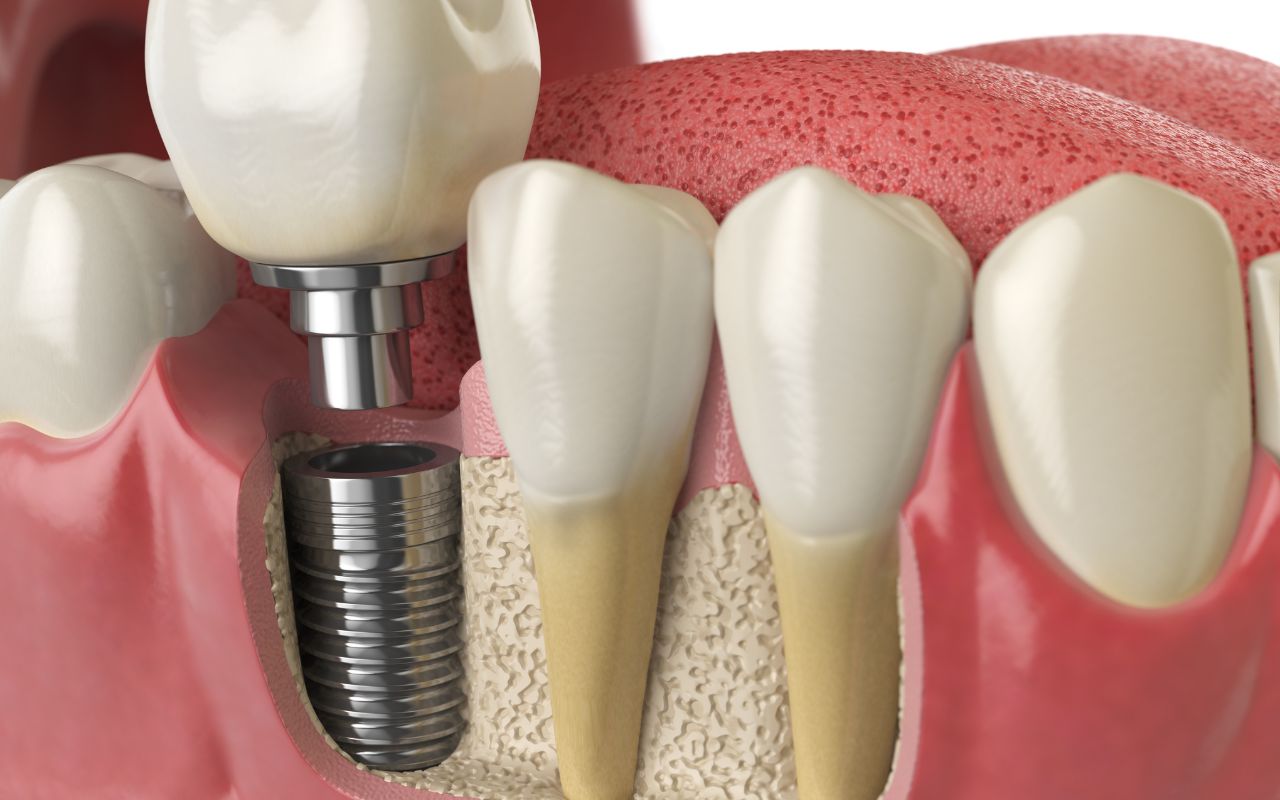
Can dental implants get infected? Yes, but it’s relatively uncommon and often preventable. Infections around an implant usually develop as peri-implant mucositis (early gum inflammation) or peri-implantitis (a more advanced condition affecting bone). While modern implant dental procedure success rates are very high, infection remains a known risk if oral hygiene or aftercare is neglected.
At One Eleven Dental, this article explains how implant infections occur, how common they are, what symptoms to watch for, and how patients in the local area can reduce their risk through proper care and professional oversight.
What Is a Dental Implant Infection?
A dental implant infection occurs when bacteria accumulate around the tissues supporting an implant, triggering inflammation. There are two main forms:
-
Peri-implant mucositis: A mild, reversible condition limited to the gums
-
Peri-implantitis: A more serious infection involving bone loss around the implant tooth
Unlike normal healing after placing implant teeth, infection symptoms persist or worsen over time. Mild swelling immediately after surgery is expected, but ongoing redness, bleeding, or pain is not.
Understanding this distinction is critical in implantation dentistry, as early treatment can prevent long-term damage.
How Common Are Infections After Dental Implants?
Clinical studies show that overall infection rates are low, with dental implants maintaining success rates above 90% over many years. Minor inflammation around implants on teeth is more common than advanced disease, especially in patients with prior gum issues.
True dental implant infections affecting bone are far less frequent, particularly when implants are placed by experienced clinicians and maintained properly. Patients searching for dental implants near me should prioritize providers who emphasize long-term monitoring, not just placement.
Why Do Infections Happen?
Most cases of implant infection are linked to identifiable risk factors rather than implant failure itself.
Patient-Related Factors
-
Inadequate oral hygiene around the implant
-
Smoking or vaping
-
History of periodontal disease
-
Poorly controlled diabetes or immune conditions
Procedure-Related Factors
-
Improper implant positioning
-
Incomplete healing before loading the implant tooth
-
Excess cement or plaque buildup
Even the most advanced dental implant systems can fail without proper care. Patient education and routine follow-ups are essential parts of successful implant treatment.
Recognizing Symptoms Early
Identifying implant infection symptoms early can prevent serious complications. Common warning signs include:
-
Red or swollen gums around the implant
-
Bleeding during brushing or flossing
-
Persistent pain or pressure
-
Bad breath or a bad taste
-
Pus around the implant site
-
Loosening of the implant
These are classic dental implant infection symptoms and should never be ignored. A progressing tooth implant infection can eventually compromise the surrounding bone if untreated.
Diagnosis & Treatment Options
Diagnosis typically involves a clinical examination, periodontal probing, and dental X-rays to assess bone levels around the implant.
Treatment depends on severity:
-
Early-stage infection: Deep cleaning, antimicrobial rinses, and improved home care
-
Moderate cases: Antibiotics and localized therapy
-
Advanced peri-implantitis: Surgical intervention to clean infected tissue and stabilize bone
Prompt treatment of a tooth implant infection greatly improves outcomes and often saves the implant.
Prevention Tips: How to Reduce Infection Risk
Preventing an infected implant requires consistent effort from both patient and provider.
Daily Care
-
Brush twice daily using a soft-bristle brush
-
Clean around the implant thoroughly with floss or interdental brushes
-
Use dentist-recommended antimicrobial rinses
Professional Care
-
Attend regular dental checkups and cleanings
-
Monitor gum health around implant tooth restorations
-
Follow all post-surgical instructions carefully
Patients who invest in preventive care rarely experience long-term implant infection issues.
Key Takeaway
Dental implants are a safe, reliable solution for missing teeth, but infection is a real—though uncommon—risk. Most cases of implant infection are preventable with good oral hygiene, healthy habits, and routine professional care. Early symptoms should always be evaluated to avoid progression to serious dental implant infection or implant loss.
At One Eleven Dental, we combine clinical expertise with patient education to help ensure long-lasting implant success. If you have concerns about an existing implant or are considering treatment, schedule a consultation today to protect your oral health and your investment.
FAQs
Q. What does a dental implant infection feel like?
A: An infected dental implant may cause persistent pain or throbbing, red and swollen or bleeding gums, bad breath or a foul taste from pus, and sometimes a loose implant or difficulty chewing. These signs of peri-implantitis need prompt dental care to prevent bone loss and implant failure.
Q. What percentage of people have problems with dental implants?
A: Dental implant failure is uncommon. On average, only about 2–4 out of every 100 dental implants fail, which equals a 2–4% failure rate.
Q. How to get rid of a dental implant infection?
A: Treatment depends on severity. Early infections are managed with professional deep cleaning, antibiotics, and antimicrobial rinses. Advanced peri-implantitis may require surgery, bone grafting, or implant removal, along with strict oral hygiene and control of underlying health conditions.