
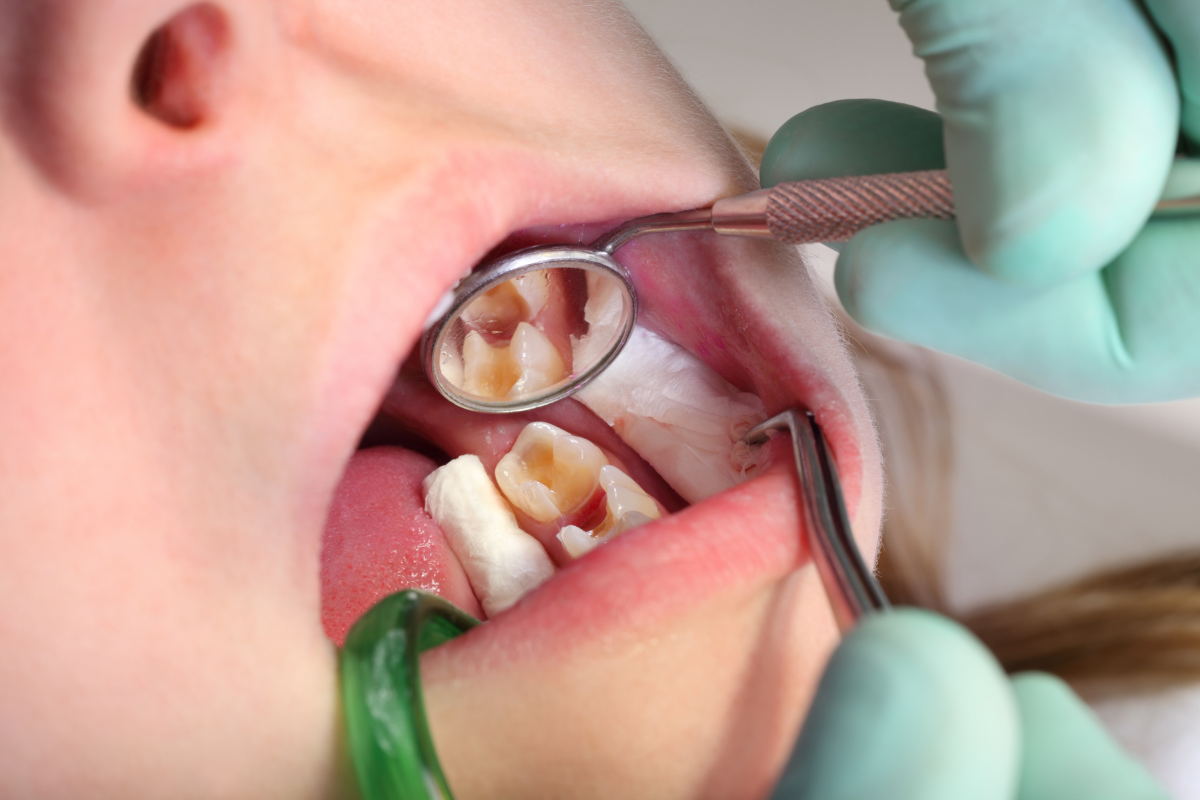
Suffering from a decayed tooth, a fracture, or an enamel erosion? The solution – dental filling. A dental filling can fix the tooth pain and sensitivity that has been nagging you every time you eat or drink.
At One Eleven Dental, our dentist in Bixby, OK, is here to restore your comfort and confidence with expert dental filling solutions.
In this article, we’ll explore everything you need to know about dental cavity filling: what it is, the different types of dental fillings, how the filling dental procedure works, and what to expect afterward.
What is a Dental Filling?
Dental fillings are one of the most common general dentistry procedures performed. Tooth fillings are used to repair and restore teeth damaged by decay, minor cracks, or wear. When bacteria erode tooth enamel, a cavity forms – a hole that weakens the tooth’s integrity. If left untreated, this decay can spread deeper, leading to infection or even tooth loss.
Think of a tooth filler as a restorative filling, like patching a hole in a wall – it’s a protective measure to seal and support the structure. In the same way, dental cavity fillings restore the shape and function of a compromised tooth. This not only allows you to chew and speak comfortably but also protects against further dental issues.
Common Types of Dental Fillings
When it comes to dental filling procedures, one size doesn’t fit all. Modern dentistry offers a variety of tooth filling types and materials, each with its strengths, drawbacks, and ideal uses.
The most common dental filling materials include composite resin, amalgam, and glass ionomer, as well as indirect restorations such as inlays and onlays. Your choice may depend on factors such as the location of the cavity, your aesthetic preferences, budget, and the extent of decay.
1. Composite (Tooth-Colored) Fillings
Composite fillings are made from a mixture of plastic resin and fine glass particles. The material is applied in layers to the prepared cavity, and each layer is hardened using a special blue curing light. This layering technique allows for a precise fit and a strong bond with the tooth structure.
Benefits:
- Aesthetics: Blends seamlessly with your natural teeth, making it ideal for visible areas like front teeth.
- Bonding Strength: Bonds directly to the tooth enamel, which can help reinforce weakened tooth structure.
- Versatility: Suitable for treating chips, cracks, small gaps, and moderate-sized cavities in both front and back teeth.
- Minimal Drilling: Often requires less removal of healthy tooth tissue compared to other materials.
Patients who prioritize aesthetics, especially for cavities in teeth fillings on front teeth or visible smile areas. Also preferred by those looking for a metal-free dental cavity filler.
2. Amalgam (Silver) Fillings
Amalgam is a durable blend of metals, including silver, tin, copper, and mercury. After removing the decayed portion of the tooth, the general dentist packs the amalgam material into the cavity, where it hardens into a stable restoration.
Benefits:
- Durability: Highly resistant to wear and can withstand the intense chewing forces of the back teeth.
- Longevity: Often lasts 10–15 years or more with good oral hygiene.
- Cost-Effective: Typically more affordable than composite or porcelain alternatives.
Back molars or large fillings in areas not visible when you smile. Amalgam remains a reliable choice for patients prioritizing function and longevity over appearance.
While safe and widely used for over a century, amalgam contains mercury, which some patients prefer to avoid. Many general dentists now favor composite for its aesthetic and biocompatible benefits, especially when filling cavity areas in visible teeth.
3. Glass Ionomer Fillings (GIC)
Made from a blend of acrylic and glass powder, glass ionomer fillings chemically bond to the tooth enamel. They gradually release fluoride, which can help protect the tooth from further decay.
Benefits:
- Fluoride Release: Supports ongoing protection in areas prone to recurrent decay.
- Chemical Bonding: No need for adhesives or etching—bonds directly to the tooth.
- Gentle Application: Quick and non-invasive, which makes it ideal for pediatric patients or non-permanent restorations.
Ideal For:
- Children’s baby teeth.
- Temporary fillings or cavity fillings in non-load-bearing areas.
- High-risk areas for decay include along the gumline.
4. Inlays and Onlays (Indirect Fillings)
Inlays and onlays are general dentistry procedures crafted outside the mouth in a dental lab, using materials like porcelain, gold, or composite resin. They are then cemented onto the tooth in a second visit. Inlays fit within the tooth’s cusps (the raised points), while onlays extend over one or more cusps.
Benefits:
- Superior Fit: Precision-crafted for optimal contact and durability.
- Strength: Much stronger than traditional fillings, suitable for larger areas of decay.
- Aesthetics: Porcelain inlays and onlays can be color-matched to your natural teeth.
Ideal For:
Teeth with extensive damage not severe enough to require a crown, or when a regular tooth filler would not provide sufficient strength or coverage.
What to Expect After Your Dental Filling
Once your filling is complete, your mouth may stay numb for a few hours. Avoid chewing on the treated side until the sensation fully returns to prevent accidental biting of the cheek or tongue.
Mild sensitivity to hot, cold, or pressure is normal for a few days up to a couple of weeks. This is especially common with tooth enamel fillings placed near the nerve. However, this should gradually subside.
Contact your dentist if you experience:
- Severe or worsening pain
- Sensitivity that persists beyond a few weeks
- A “high” or uneven bite
- A loose or lost filling
Maintaining your oral hygiene is key to prolonging the life of your dental filling. Brush your teeth twice daily, floss regularly, and attend your scheduled check-ups.
Dental Filling Treatment: More Than Just Repair
Getting a cavity filling offers several health and lifestyle advantages:
- Prevent Further Decay: Stops bacteria from spreading deeper into the tooth.
- Restore Function: Regain full ability to chew, speak, and smile with confidence.
- Alleviate Pain/Sensitivity: Treats the source of discomfort caused by decay.
- Preserve Natural Tooth: Avoids the need for more invasive general dental procedures like root canals or extractions.
- Enhance Aesthetics: With composite fillings, your restored tooth blends seamlessly into your smile.
Why Choose One Eleven Dental for Your Dental Filling in Bixby?
At One Eleven Dental, we take pride in being a trusted Bixby dentist committed to providing gentle and effective general dentistry procedures. Our experienced team offers personalized care using the latest technologies, from digital X-rays to high-quality tooth fillings, ensuring precision and comfort at every visit.
We offer comprehensive care, including preventive, cosmetic, and restorative treatments to support your long-term oral health journey.
Schedule Your Appointment Today! Call us to restore your smile with confidence.
FAQs
Q. What Type of Dental Filling is Best?
A: Back teeth handle heavy chewing, so durable options like amalgam or gold fillings work best. For front teeth, composite or ceramic fillings offer a natural look. Cost also matters—choose what fits both your needs and budget.
Q. How Long Do Teeth Fillings Usually Last?
A: How long a filling lasts depends on the material and your oral care. Gold can last up to 20 years, ceramic 15, amalgam 10–15, composite around 7, and glass ionomer less than 5 years.
Q. What Kind of Filling Lasts the Longest?
A: Gold fillings are a time-tested, durable option that can last 15 to 30 years with proper care—outperforming many other materials in longevity.