
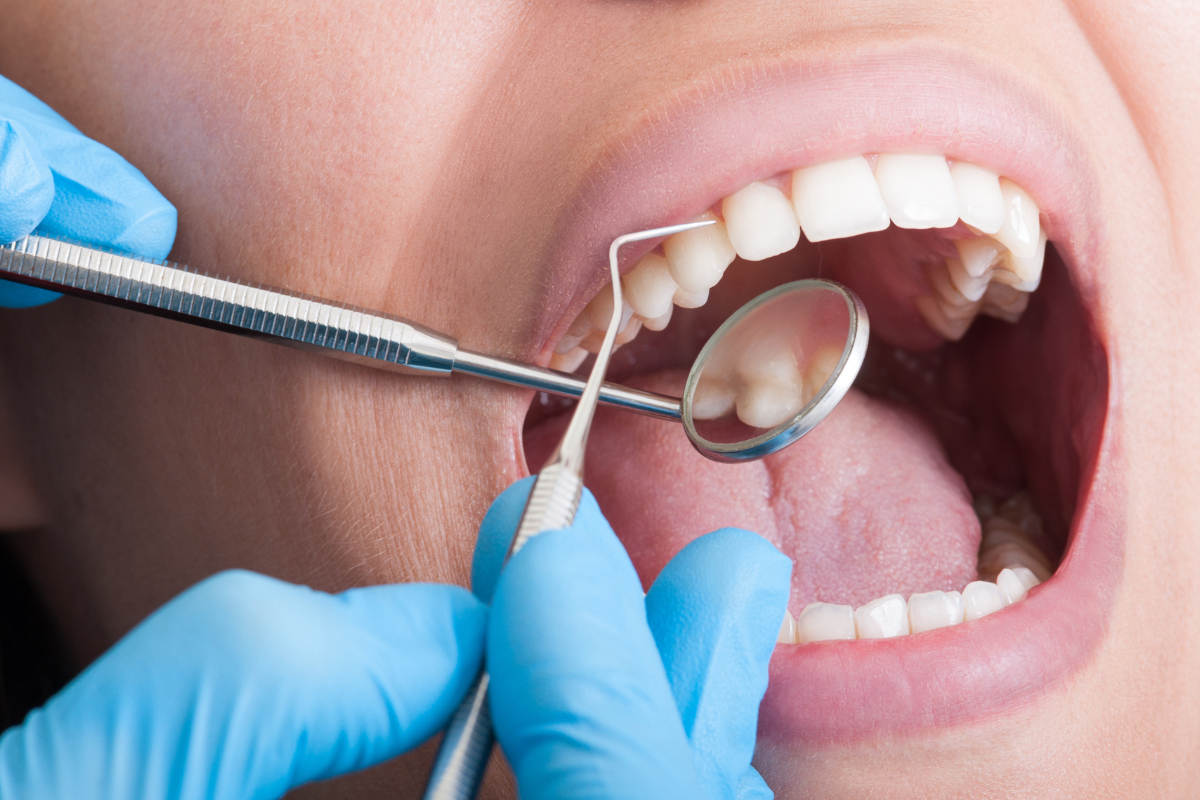
Are you self-conscious about a chipped tooth, a stubborn stain, or a small gap in your smile? You’re not alone. These minor imperfections can impact your confidence, especially during face-to-face interactions and photos. Thankfully, cosmetic bonding offers a quick, affordable, and highly effective solution to enhance your smile with natural-looking results, often in just one visit.
At One Eleven Dental, your trusted cosmetic dentist in Bixby, OK, we specialize in cosmetic bonding to help our patients achieve healthy, confident smiles. Whether you’re dealing with a cracked tooth or discoloration that whitening can’t fix, our experienced team is here to guide you through a comfortable and rewarding transformation.
In this article, we’ll explain precisely what cosmetic teeth bonding is and which issues it can address. We’ll also walk you through the procedure, explain how it compares to veneers, and outline what to expect from your results and aftercare.
What is Cosmetic Bonding?
Cosmetic bonding, also referred to as dental bonding or tooth bonding, is a standard cosmetic dental procedure. It involves the use of a tooth-colored composite resin to repair and enhance the appearance of teeth. This versatile material is shaped and polished to match your natural enamel, making it an ideal choice for aesthetic enhancements.
Because composite resin is moldable and easily bonded to enamel, tooth bonding is an additive procedure, meaning it builds onto your existing tooth without removing much natural structure. That makes it a conservative alternative to more invasive options, such as veneers or crowns.
Is Cosmetic Bonding Right For You?
Cosmetic bonding is incredibly versatile and is commonly used to address a range of minor dental flaws. You may be an ideal candidate if you’re dealing with any of the following:
- Chipped or Cracked Teeth: Seamlessly restores the natural shape and integrity of damaged teeth.
- Gaps Between Teeth: Effectively closes small spaces for a more uniform appearance.
- Discolored or Stained Teeth: Masks internal stains that don’t respond well to whitening treatments.
- Misshapen or Uneven Teeth: Reshapes and lengthens teeth for a more harmonious smile line.
- Exposed Tooth Roots (from gum recession): Covers sensitive roots and improves aesthetics.
- Minor Tooth Decay: Useful for small, front-tooth fillings where aesthetics are important.
If you’re wondering, “Is bonding bad for your teeth?” rest assured that when performed by an experienced dentist, tooth bonding is a safe and minimally invasive enhancement with long-term cosmetic benefits.
Cosmetic Bonding Procedure: What to Expect
Step 1: Consultation & Planning
Your journey begins with a thorough consultation. Your oral health is assessed, and your aesthetic goals are determined to understand whether cosmetic bonding is right for you. Diagnostic images, such as X-rays or intraoral photographs, may be taken to help plan your treatment.
Step 2: Minimal Tooth Preparation
Unlike veneers, which require more significant reshaping of your natural teeth, bonding teeth involves little to no enamel removal. It involves gently roughening the surface and applying a conditioning liquid to prepare the tooth for the application of resin.
Step 3: Resin Application and Sculpting
This is where cosmetic artistry plays a role. A skilled dentist in Bixby, OK, applies the moldable composite resin, then shapes and smooths it to mimic the natural contours of your tooth.
Step 4: Curing the Bond
A special blue curing light is used to harden the resin within seconds, forming a durable bond with your natural enamel.
Step 5: Final Polishing
Concluding the procedure, a cosmetic dentist in Bixby, OK, trims and polishes the bonded tooth to match your bite, ensuring a glossy, natural finish. The result is a rejuvenated smile that looks and feels like your real teeth.
The Benefits of Choosing Cosmetic Bonding
- Quick & Convenient: Achieve visible results in just one visit, making it ideal for busy patients.
- Minimally Invasive: Unlike veneers vs bonding, where veneers may require enamel removal, cosmetic bonding preserves most of your natural tooth structure.
- Cost-Effective: Among the most affordable cosmetic dental solutions, especially when comparing bonding vs veneers in terms of upfront costs.
- Natural-Looking Results: Composite resin is meticulously color-matched to blend with your surrounding teeth.
- Versatile Treatment: Suitable for a variety of minor cosmetic concerns.
- Painless & Comfortable: Often no need for anesthesia – cosmetic teeth bonding is generally well-tolerated by all patients.
Understanding the Limitations of Cosmetic Bonding
While tooth bonding offers many advantages, it’s important to be aware of its limitations:
- Durability: While strong, it doesn’t last as long as veneers or crowns. So, does dental bonding last? Typically, yes, for 3 to 10 years, depending on your habits and oral care routine.
- Stain Susceptibility: Unlike porcelain, bonded resin is more prone to discoloration over time. Avoid dark foods and beverages, especially in the first 48 hours post-treatment.
- Not Ideal for Major Corrections: Disadvantages of dental bonding include limited strength and longevity for larger repairs. It’s better suited for subtle improvements.
- Maintenance Required: Although durable, dental bonding cons include susceptibility to chipping, especially if you bite hard objects or grind your teeth.
Cosmetic Bonding vs. Porcelain Veneers: Which is Right for You?
| Feature | Cosmetic Bonding | Porcelain Veneers |
| Purpose | Corrects minor flaws like chips, gaps, discoloration, and misshapen teeth | Offers smile makeovers by altering tooth shape, size, color, and alignment |
| Material Used | Tooth-colored composite resin | Thin shells of high-strength porcelain or ceramic |
| Tooth Preparation | Minimal to none; preserves most natural enamel | Requires removal of a thin layer of enamel (irreversible) |
| Durability & Lifespan | 3 to 10 years, depending on care and habits | 10 to 15+ years with proper maintenance |
| Stain Resistance | More prone to staining over time | Highly resistant to staining from food, drinks, and tobacco |
| Appearance | Natural-looking but slightly less translucent than porcelain | Highly aesthetic with a glass-like translucency that mimics natural enamel |
| Time Required | Typically completed in a single office visit | Requires at least two visits: one for preparation and one for placement |
| Repairability | Easy to touch up or repair if chipped or damaged | Requires full replacement if cracked or broken |
| Invasiveness | Non-invasive and reversible in most cases | Irreversible due to enamel reduction |
| Sensitivity Risk | Low risk of tooth sensitivity | Slight increase in sensitivity post-prep, especially with multiple veneers |
The decision between veneers vs bonding depends on your goals, budget, and oral health. During your consultation at One Eleven Dental, we’ll help you compare teeth bonding vs veneers and choose the solution that’s right for you.
Aftercare for Bonded Teeth
To maximize the longevity of your cosmetic bonding, follow these expert aftercare guidelines:
- Brush and Floss Daily: Use a soft-bristled toothbrush and fluoride toothpaste.
- Avoid Staining Substances: Especially within the first two days, avoid coffee, tea, wine, and tobacco.
- Don’t Bite Hard Items: Chewing on ice, hard candy, or pens can cause chips.
- Manage Bruxism: If you grind your teeth, ask us about a custom nightguard to protect your bonding.
- Keep Up With Dental Visits: Regular cleanings and checkups ensure your bonding stays intact and your smile remains healthy.
Key Takeaways
If you’re tired of hiding chipped, stained, or uneven teeth, cosmetic bonding could be your perfect fix. It’s fast, affordable, and delivers natural-looking results—often in just one visit.
At One Eleven Dental, we specialize in cosmetic teeth bonding that restores your smile and your confidence. As a trusted cosmetic dentist in Bixby, OK, we create beautiful results with minimal tooth alteration and maximum care.
Still deciding between bonding vs veneers? We’ll explain the pros and cons of dental bonding vs veneers during your consultation and help you choose what’s best for your smile.
Let your smile shine with help from a skilled Bixby dentist. Contact One Eleven Dental, your go-to dentist in Bixby, OK, to schedule your consultation today. We’re here to help you smile brighter.
FAQs
Q. What Does Cosmetic Bonding Do?
A: Dental bonding is a quick cosmetic treatment where a tooth-colored resin is applied to improve the shape, size, or color of your teeth. It’s ideal for fixing chips, gaps, or discoloration with natural-looking results.
Q. How Long Do Cosmetic Bonds Last?
A: Bonding usually lasts 3 to 10 years, depending on your oral hygiene and how well you protect your teeth from damage.
Q. Can You Reverse Cosmetic Bonding?
A: Yes, your teeth can look natural after bonding, though they may be slightly less shiny due to the etching process. For the best results, it’s important to work with an experienced cosmetic dentist.